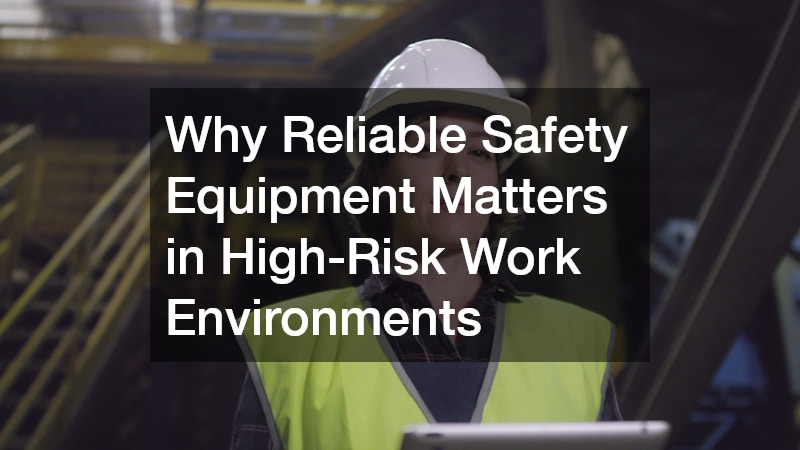
High-risk work environments demand constant attention to safety. Industries such as construction, manufacturing, oil and gas, warehousing, utilities, and heavy transportation expose workers to daily hazards that can result in serious injury or even loss of life if proper precautions are not in place. In these settings, safety is not a box to check or a document to file away—it is an operational priority that directly affects productivity, compliance, and employee well-being. Reliable safety equipment plays a critical role in protecting workers and supporting safe, efficient operations.
Understanding the Risks in Hazardous Workplaces
High-risk environments involve factors such as heavy machinery, elevated work areas, electrical systems, hazardous materials, and unpredictable conditions. Even experienced workers can face danger if equipment fails or safety measures are overlooked.
Slips, falls, impact injuries, burns, and exposure to harmful substances remain among the most common workplace incidents. While training and procedures are essential, they are only effective when paired with dependable safety equipment designed to perform under pressure.
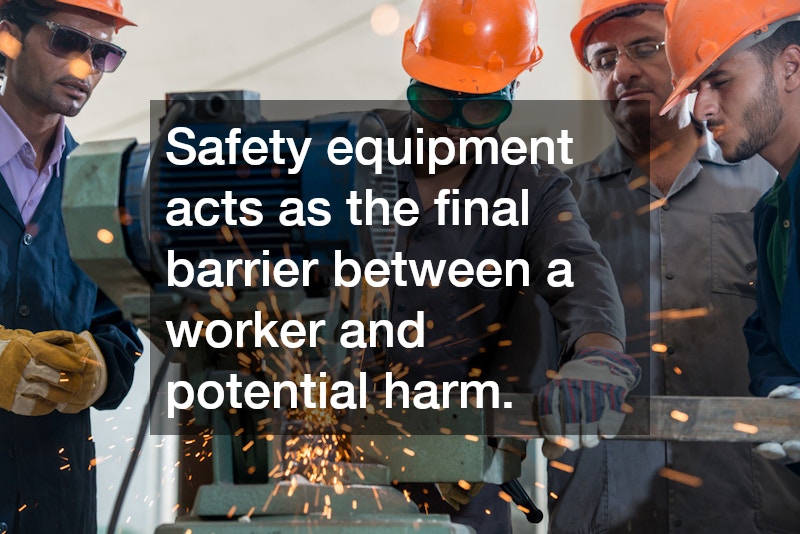
Safety equipment acts as the final barrier between a worker and potential harm. When that barrier is compromised—due to poor quality, improper fit, or lack of certification—the risk of injury increases significantly.
The Importance of Equipment Reliability
Reliability in safety equipment means consistent performance, durability, and compliance with applicable safety standards. Helmets must withstand impact, gloves must protect against cuts or chemicals, and respiratory gear must filter contaminants effectively every time it is used. In high-risk environments, there is no margin for error. Equipment failures can lead to immediate injuries, long-term health issues, or costly shutdowns.
Reliable equipment also builds trust among workers. When employees know their gear will perform as expected, they are more confident and focused on their tasks. This confidence contributes to fewer mistakes, better morale, and a stronger overall safety culture.
Compliance and Regulatory Considerations
Workplace safety regulations exist for a reason. Regulatory bodies require employers to provide appropriate protective equipment that meets specific standards. Using substandard or uncertified gear can lead to violations, fines, and legal exposure. More importantly, it puts workers at unnecessary risk.
Reliable safety equipment helps organizations stay compliant by ensuring that protective gear meets or exceeds regulatory requirements. Working with a knowledgeable safety equipment supplier can make this process more manageable, as reputable suppliers understand industry standards and can guide businesses toward appropriate solutions for their specific risks.
Cost Efficiency Beyond the Purchase Price
Some organizations are tempted to cut costs by choosing cheaper safety equipment. While this may reduce upfront expenses, it often leads to higher long-term costs. Inferior equipment tends to wear out faster, require frequent replacement, or fail during use. These failures can result in injuries, workers’ compensation claims, downtime, and damage to company reputation.
Investing in reliable safety equipment is a cost-effective decision over time. High-quality gear lasts longer, performs better, and reduces the likelihood of incidents that disrupt operations. When safety equipment is viewed as an investment rather than an expense, the financial and operational benefits become clear.
Supporting Productivity and Operational Continuity
Safety and productivity are closely linked. In high-risk environments, accidents can halt operations, trigger investigations, and delay projects. Even minor incidents can cause disruptions that ripple through schedules and budgets. Reliable safety equipment helps prevent these interruptions by reducing the likelihood of accidents and ensuring workers can perform their duties safely and efficiently.
Additionally, modern safety equipment is designed with comfort and usability in mind. Properly fitting gear that allows freedom of movement and clear visibility enables workers to stay productive without compromising protection. This balance is especially important in physically demanding roles where discomfort can lead to fatigue or unsafe shortcuts.
The Role of Consistency and Standardization
Consistency in safety equipment across a workforce simplifies training, inspections, and compliance efforts. When employees use standardized, reliable gear, supervisors can more easily ensure proper use and maintenance. It also reduces confusion and errors that can occur when multiple equipment types or brands are in circulation.
A dependable supplier helps maintain this consistency by providing ongoing access to approved equipment, replacements, and updates as standards evolve. This continuity supports long-term safety planning rather than reactive purchasing.
Building a Strong Safety Culture
Reliable safety equipment is a visible demonstration of an employer’s commitment to worker safety. When organizations prioritize quality protective gear, employees are more likely to take safety policies seriously. This shared responsibility fosters a culture where safety is part of everyday operations, not just an afterthought.
A strong safety culture encourages reporting of hazards, proper equipment use, and continuous improvement. Over time, this culture reduces incidents, improves retention, and strengthens the organization’s reputation as a responsible employer.
In high-risk work environments, reliable safety equipment is essential—not optional. It protects workers from serious harm, supports regulatory compliance, reduces long-term costs, and keeps operations running smoothly. Beyond physical protection, dependable equipment reinforces trust, confidence, and a proactive safety culture. Organizations that prioritize quality safety gear and reliable sourcing are better positioned to protect their workforce and achieve sustainable success in demanding industries.