
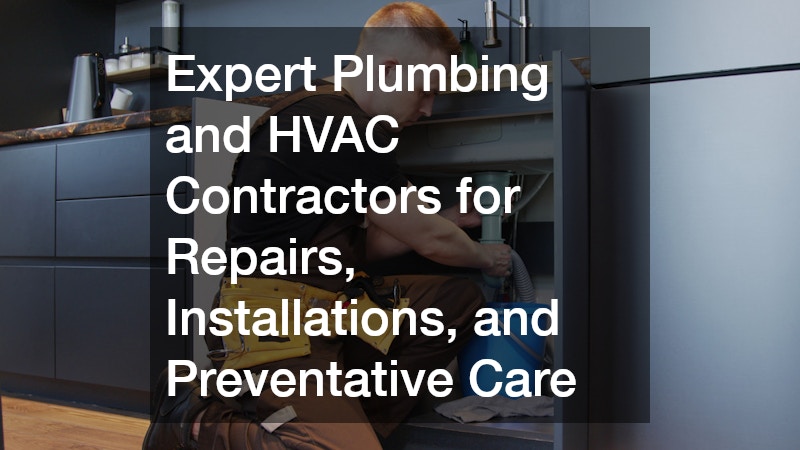
Expert Plumbing and HV AC Contractors for Repairs, Installations, and Preventative Care
Introduction
Plumbing and HVAC systems are the quiet workhorses of every home and commercial building. When they function properly, we rarely think about them. Water flows where it should, drains carry waste away efficiently, heating systems maintain warmth in winter, and cooling systems preserve comfort in the heat of summer. But when something goes wrong, the disruption can be immediate and expensive.
Leaks damage walls and flooring. Sewer issues create health hazards. Heating failures make buildings unsafe in cold weather. Cooling breakdowns affect productivity and customer comfort. In commercial properties, even a short interruption can impact revenue and reputation.
The key to protecting your property and avoiding costly emergencies is working with experienced professionals who understand installation, repairs, and long-term maintenance. This guide explores how expert contractors help you manage urgent problems, upgrade aging systems, and create preventative strategies that extend equipment lifespan and reduce operational costs.
By understanding the right steps to take—and when to call in skilled support—you can maintain safe, efficient, and reliable plumbing and climate control systems year-round.
Respond Quickly to Urgent Water Issues Before They Escalate
Water emergencies can cause damage within minutes. A burst pipe can flood multiple rooms. A hidden leak can quietly deteriorate structural framing. Quick action limits long-term repair costs and reduces the risk of mold growth.
Situations that require immediate attention often fall under emergency plumbing scenarios, including:
-
Burst or frozen pipes
-
Overflowing toilets
-
Sudden loss of water pressure
-
Major fixture leaks
-
Water heater failures
The first priority during any water emergency is containment. Property owners should know how to:
-
Shut off the main water supply
-
Turn off electricity to affected areas if necessary
-
Move valuables away from water exposure
-
Document visible damage for insurance purposes
After containment, professional assessment is critical. Experienced technicians use specialized tools and systematic troubleshooting to determine the root cause—not just the visible symptoms.
One of the most valuable technologies in modern plumbing diagnostics is leak detection services. These methods may include:
-
Acoustic listening devices
-
Thermal imaging cameras
-
Pressure testing
-
Video pipe inspections
Hidden leaks behind walls, under slabs, or underground often go unnoticed until significant damage occurs. Leak detection services allow contractors to pinpoint the exact location of the problem without unnecessary demolition.
To prepare for unexpected water issues, consider creating an emergency response plan:
-
Keep contact information for trusted professionals readily available
-
Train staff or household members on shut-off valve locations
-
Schedule periodic inspections of vulnerable areas
-
Replace aging pipes proactively
Responding quickly to water emergencies protects your building’s structure, prevents health hazards, and reduces downtime.
Restore Proper Waste Flow and Prevent Contamination Risks
A properly functioning sewer system is essential for sanitation and safety. When drainage slows or backups occur, the issue can escalate into a serious health concern.
Common warning signs of sewer problems include:
-
Multiple drains backing up simultaneously
-
Persistent foul odors
-
Gurgling sounds in plumbing fixtures
-
Wet or unusually lush patches in the yard
Ignoring these signs can lead to contaminated water exposure and costly structural repairs. Timely sewer repair addresses damaged pipes, collapsed lines, and invasive tree roots before the situation worsens.
Modern contractors rely on advanced inspection methods such as:
-
High-resolution sewer camera inspections
-
Smoke testing for leak identification
-
Pipe mapping technology
Once the problem is identified, targeted repair solutions can be implemented. In many cases, hydrojetting services are recommended to remove buildup and restore flow. Hydrojetting uses high-pressure water streams to clear:
-
Grease accumulation
-
Mineral deposits
-
Sludge
-
Tree root infiltration
Unlike temporary fixes, hydrojetting services provide a thorough cleaning that helps prevent recurring clogs.
Preventive sewer care includes:
-
Avoiding grease disposal down drains
-
Installing root barriers where appropriate
-
Scheduling periodic inspections
-
Addressing minor drainage issues early
Maintaining proper waste flow protects public health, preserves property value, and ensures reliable sanitation for occupants.
Keep Drains Flowing with Preventive Cleaning and Smart Usage Habits
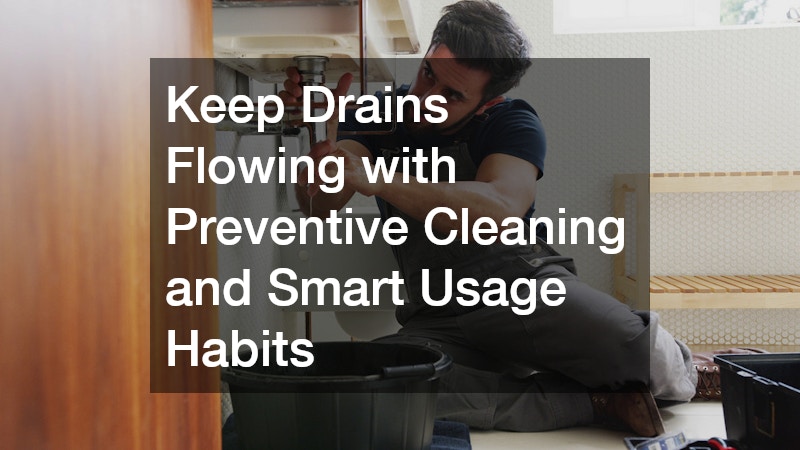
Clogged drains are among the most common plumbing complaints. Kitchens, bathrooms, and commercial facilities all experience buildup over time.
Frequent causes of blockages include:
-
Hair and soap residue
-
Grease and food particles
-
Paper products and wipes
-
Mineral scale
While over-the-counter drain cleaners may provide short-term relief, repeated chemical use can damage pipes and corrode fixtures. Professional drain cleaners use safer, more effective techniques that remove buildup without harming plumbing infrastructure.
Smart drain care practices include:
-
Installing strainers in sinks and showers
-
Disposing of grease in sealed containers
-
Flushing drains periodically with hot water
-
Scheduling routine maintenance in high-traffic environments
Signs you may need professional cleaning:
-
Slow drainage in multiple fixtures
-
Recurring clogs
-
Foul odors from drains
-
Water backing up in lower-level drains
Commercial kitchens and multi-unit properties benefit from quarterly inspections and cleaning services to prevent disruptive backups.
A preventative maintenance schedule ensures drains remain clear and reduces emergency repair costs.
Upgrade Materials and Fixtures to Improve Efficiency and Longevity
The quality of materials used in plumbing installations directly impacts durability and performance. Investing in high-grade plumbing supplies reduces the likelihood of premature failures.
When upgrading systems, consider:
-
Corrosion-resistant piping materials
-
Water-efficient faucets and fixtures
-
Commercial-grade valves
-
Pressure-regulating devices
Durable plumbing supplies are especially important in:
-
Commercial restrooms
-
Apartment complexes
-
Food service establishments
-
Industrial facilities
Water-saving upgrades provide both environmental and financial benefits. Low-flow fixtures and high-efficiency toilets reduce water consumption without sacrificing performance.
Facility managers can improve oversight by:
-
Maintaining an organized inventory of replacement parts
-
Standardizing fixture models for easier servicing
-
Working with contractors to source reliable materials
Proactive upgrades prevent leaks, improve efficiency, and extend system lifespan.
Improve Indoor Comfort with Seasonal Heating System Maintenance
Heating systems work hardest during colder months. Without regular care, small issues can lead to system failures during peak demand.
Warning signs that heating repairs may be needed include:
-
Uneven temperatures
-
Frequent cycling
-
Unusual odors
-
Rising energy bills
Addressing heating repairs early prevents complete breakdowns and improves energy efficiency. In some cases, furnace repair can restore full functionality without requiring system replacement.
A seasonal maintenance checklist should include:
-
Replacing air filters
-
Inspecting burners and heat exchangers
-
Testing thermostats
-
Checking safety controls
-
Inspecting ductwork for leaks
Delaying furnace repair can result in:
-
Carbon monoxide risks
-
Reduced system lifespan
-
Increased utility costs
-
Emergency breakdowns
Schedule inspections before winter to ensure reliable operation when temperatures drop.
Optimize Cooling Performance for Energy Savings and Reliability
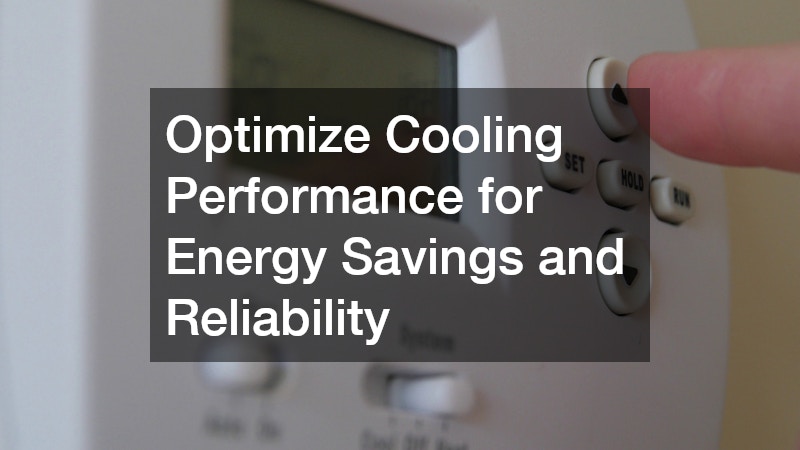
Cooling systems maintain comfort and productivity during warmer months. Even minor inefficiencies can increase operating costs significantly.
Common warning signs of cooling problems:
-
Warm air from vents
-
Weak airflow
-
High indoor humidity
-
Frequent system cycling
Licensed ac contractors provide comprehensive evaluations, including:
-
Refrigerant level checks
-
Coil cleaning
-
Electrical component inspection
-
Thermostat calibration
Routine maintenance tasks include:
-
Replacing air filters
-
Clearing debris from outdoor units
-
Inspecting drain lines
-
Testing system controls
Working with experienced ac contractors improves system efficiency and extends equipment lifespan. Businesses benefit from reduced downtime and lower energy bills during peak summer months.
Smart thermostats and zoning systems further enhance efficiency by allowing customized temperature control throughout the building.
Choose Qualified Professionals for Installation and Long-Term Care
Proper installation is critical for system longevity. An experienced HVAC contractor ensures equipment is correctly sized, installed according to code, and calibrated for optimal performance. Even the most advanced heating and cooling equipment will underperform if it is improperly installed. Oversized systems cycle on and off too frequently, while undersized systems struggle to maintain comfort, leading to unnecessary strain and premature wear.
Professional installation begins with a thorough assessment of the property. This includes evaluating square footage, insulation levels, window placement, occupancy demands, and existing ductwork. Contractors who take the time to perform load calculations and airflow analysis help ensure that the system selected matches the building’s specific requirements rather than relying on guesswork.
When evaluating an HVAC contractor, consider:
-
Licensing and certifications
-
Experience with similar properties
-
Transparent pricing
-
Service warranties
-
Maintenance agreement options
In addition to these fundamentals, it is wise to ask detailed questions before signing a contract:
-
Do they perform a full system evaluation before recommending equipment?
-
Will they obtain necessary permits and schedule inspections?
-
Do they provide written documentation of system specifications?
-
Are technicians factory-trained for the equipment they install?
Clear communication is equally important. Reliable professionals explain their recommendations in plain language and provide itemized estimates. This allows property owners to compare options and understand where their investment is going.
Poor installation can result in:
-
Uneven heating or cooling
-
Higher energy consumption
-
Frequent repairs
-
Shortened equipment lifespan
Beyond comfort issues, improper installation may also void manufacturer warranties. Many equipment warranties require proof that installation followed manufacturer specifications. Without professional documentation, owners could be left covering expensive repairs out of pocket.
Maintenance agreements offer advantages such as:
-
Priority scheduling
-
Discounted service rates
-
Routine inspections
-
Early problem detection
These agreements often include biannual system checks, filter replacements, safety inspections, and performance testing. Over time, this proactive care significantly reduces emergency repair calls and extends equipment lifespan. For commercial facilities, maintenance agreements also simplify budgeting by spreading costs across predictable service intervals.
Coordinating plumbing and HVAC upgrades during renovations improves efficiency and reduces overall labor costs. When walls are already open or mechanical rooms are being reconfigured, addressing both systems at once minimizes duplication of labor. For example:
-
Replacing outdated ductwork while rerouting plumbing lines
-
Upgrading thermostats and installing smart water monitoring devices simultaneously
-
Improving insulation and sealing air leaks during mechanical replacements
This integrated approach not only saves money but also enhances overall building performance.
Professional oversight ensures systems meet building codes and safety standards. Mechanical systems must comply with local regulations governing ventilation, combustion air, gas line connections, drainage slopes, and electrical wiring. Code compliance protects occupants and reduces liability risks for property owners.
In commercial environments, inspections may also involve fire suppression integration, fresh air exchange requirements, and accessibility considerations. Experienced professionals stay current with regulatory updates and ensure all installations pass inspection without costly revisions.
Ultimately, selecting qualified professionals is not just about completing a single project. It is about establishing a long-term partnership. A trusted contractor becomes familiar with your property’s history, understands its unique demands, and can provide informed recommendations as systems age. That continuity of care leads to better decision-making and more reliable performance over time.
Develop a Preventative Maintenance Plan That Protects Your Investment

Preventative care is the most cost-effective way to protect plumbing and climate control systems. Rather than waiting for breakdowns, structured maintenance ensures continuous performance. Small issues—like minor leaks, loose electrical connections, or partially clogged drains—often go unnoticed until they cause significant disruption. A planned maintenance strategy addresses these concerns early, saving time and money.
Create an annual inspection calendar that includes:
-
Seasonal system tune-ups
-
Drain inspections
-
Leak assessments
-
Equipment performance testing
Breaking maintenance into seasonal checkpoints helps distribute tasks evenly throughout the year. For example:
Spring:
-
Inspect cooling equipment before heavy summer use
-
Clear debris around outdoor units
-
Test thermostats and zoning controls
Summer:
-
Monitor energy usage patterns
-
Check condensate drain lines
-
Inspect plumbing for signs of expansion-related stress
Fall:
-
Prepare heating systems for colder weather
-
Flush water heaters
-
Inspect exposed pipes for insulation gaps
Winter:
-
Monitor for frozen pipe risks
-
Evaluate indoor air quality
-
Schedule mid-season heating system checks
Budgeting for proactive repairs reduces financial surprises and allows for strategic upgrades. Setting aside a maintenance reserve fund ensures that when components show signs of wear, replacements can be handled promptly instead of delayed. Delayed repairs often result in secondary damage that multiplies overall costs.
For commercial property owners, integrating maintenance costs into annual operating budgets stabilizes cash flow. Predictable service schedules also make it easier to coordinate maintenance during low-traffic periods, minimizing disruption to operations.
Best practices for long-term care:
-
Maintain detailed service records
-
Track warranty coverage
-
Train staff or household members to recognize early warning signs
-
Schedule routine check-ins with trusted professionals
Maintaining accurate service records offers several benefits:
-
Provides documentation for warranty claims
-
Identifies recurring issues
-
Helps contractors diagnose problems faster
-
Supports resale value by demonstrating responsible upkeep
Digital recordkeeping systems can streamline this process. Many contractors now offer online portals where service histories, invoices, and inspection reports are stored for easy access.
Training building occupants to recognize early warning signs is another crucial layer of protection. Encourage attention to:
-
Unusual noises from equipment
-
Changes in water pressure
-
Inconsistent indoor temperatures
-
Unexpected increases in utility bills
Prompt reporting of these symptoms allows technicians to intervene before minor concerns escalate into major failures.
Regular communication with contractors strengthens preventative efforts. Scheduling quarterly or biannual check-ins keeps maintenance top of mind and allows professionals to provide forward-looking recommendations. For example, if a furnace is approaching the end of its expected lifespan, owners can begin budgeting for replacement rather than facing sudden winter failure.
Preventative maintenance also improves safety. Routine inspections can uncover:
-
Carbon monoxide risks
-
Gas line leaks
-
Electrical hazards
-
Water damage that could compromise structural integrity
Addressing these concerns early protects both occupants and property assets.
In multi-unit residential or commercial facilities, preventative maintenance contributes to tenant satisfaction. Reliable plumbing and consistent climate control create a comfortable environment, reducing complaints and turnover. Tenants are more likely to renew leases when building systems function without disruption.
Over time, preventative care significantly extends system lifespan. Equipment that receives consistent cleaning, calibration, and inspection operates more efficiently and experiences less strain. This translates into lower utility costs and fewer major replacements.
Building strong relationships with contractors ensures faster response times and consistent service quality. Contractors who regularly service a property become familiar with its layout, mechanical systems, and operational patterns. This familiarity leads to quicker diagnostics and more precise repairs.
Preventative maintenance protects comfort, safety, and long-term property value. Properties with documented service histories and well-maintained systems are more attractive to buyers and investors. They signal responsible ownership and reduce perceived risk.
Ultimately, maintenance is not an optional expense—it is a strategic investment. By committing to structured care, property owners shift from reactive crisis management to confident, controlled system management. The result is fewer emergencies, lower long-term costs, and greater peace of mind.
Conclusion
Plumbing and HVAC systems are foundational to the safety, comfort, and efficiency of any building. From urgent repairs to planned upgrades and preventative maintenance, professional expertise makes the difference between costly disruptions and smooth operation.
By responding quickly to issues, investing in high-quality materials, and committing to routine inspections, property owners can extend system lifespan and reduce long-term expenses. Working with experienced professionals ensures installations are done correctly, repairs are handled thoroughly, and preventative strategies are implemented effectively.
Whether managing a residential home or a commercial facility, proactive planning is the key to reliable performance. With the right support, your plumbing and climate systems can continue operating safely and efficiently for years to come.