
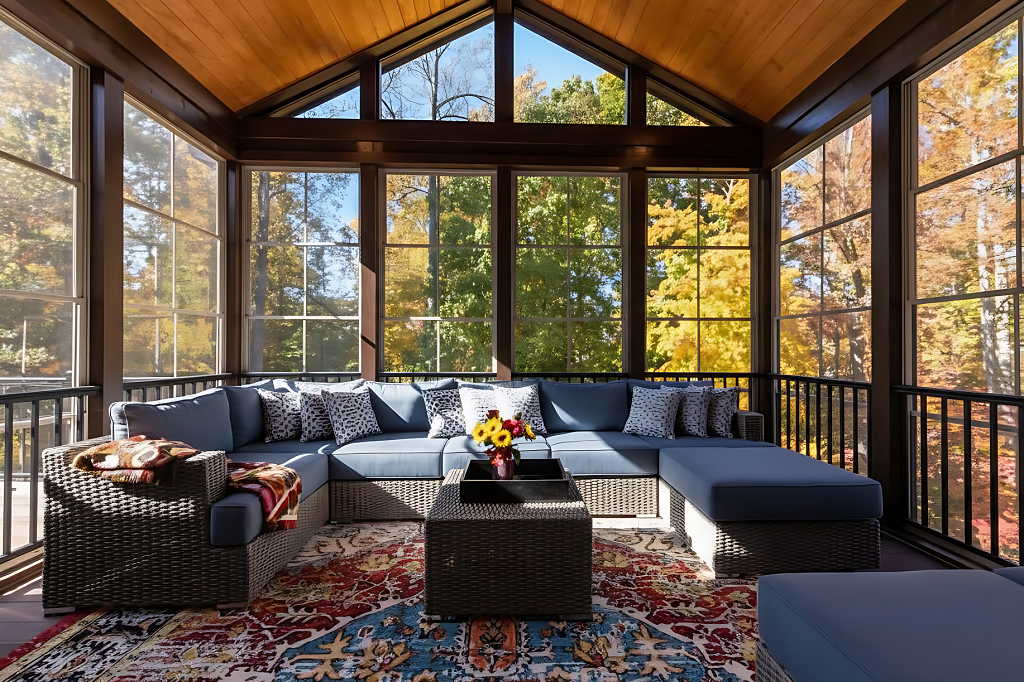
- A three season room is an enclosed space designed for spring, summer, and fall, offering a comfortable indoor-outdoor living area without full winter insulation.
- It provides extended living space for relaxation, family time, work-from-home setups, or entertaining guests.
- Key features include large windows or screens, durable flooring, lightweight construction, and optional fans or portable heaters.
- A three season room is cost-effective compared to a fully insulated addition and can increase home value.
- Design options are versatile, ranging from rustic and cozy to modern minimalist or garden-inspired, allowing customization to match your lifestyle.
- Proper maintenance—cleaning, seasonal preparation, pest control, and inspecting for weather damage—ensures longevity and comfort.
If you’ve ever dreamed of enjoying the beauty of the outdoors without the hassle of bugs, unpredictable weather, or extreme temperatures, a three season room might be exactly what your home needs. But what is a three season room, really? How does it differ from a sunroom or a fully insulated addition? And most importantly, how can it improve your daily living experience? In this article, we’ll explore everything you need to know about three season rooms—from design and benefits to maintenance and lifestyle upgrades.
What is a Three Season Room?
A three season room is a type of enclosed porch or addition that provides a comfortable living space during three seasons: spring, summer, and fall. Unlike a traditional sunroom or four-season room, it’s usually not fully insulated for winter, which makes it more cost-effective to build and maintain.
Key Features of a Three Season Room
- Large windows or screens that allow for maximum natural light and airflow
- Durable flooring that withstands moderate temperature fluctuations
- Lightweight construction materials to reduce costs and simplify installation
- Ceiling fans or portable heating options for comfort in cooler months
Essentially, a three season room is a bridge between indoor and outdoor living—bringing the fresh air, sunlight, and scenery of your yard indoors without exposing you to harsh weather.
How Does a Three Season Room Differ from a Sunroom or Four-Season Room?
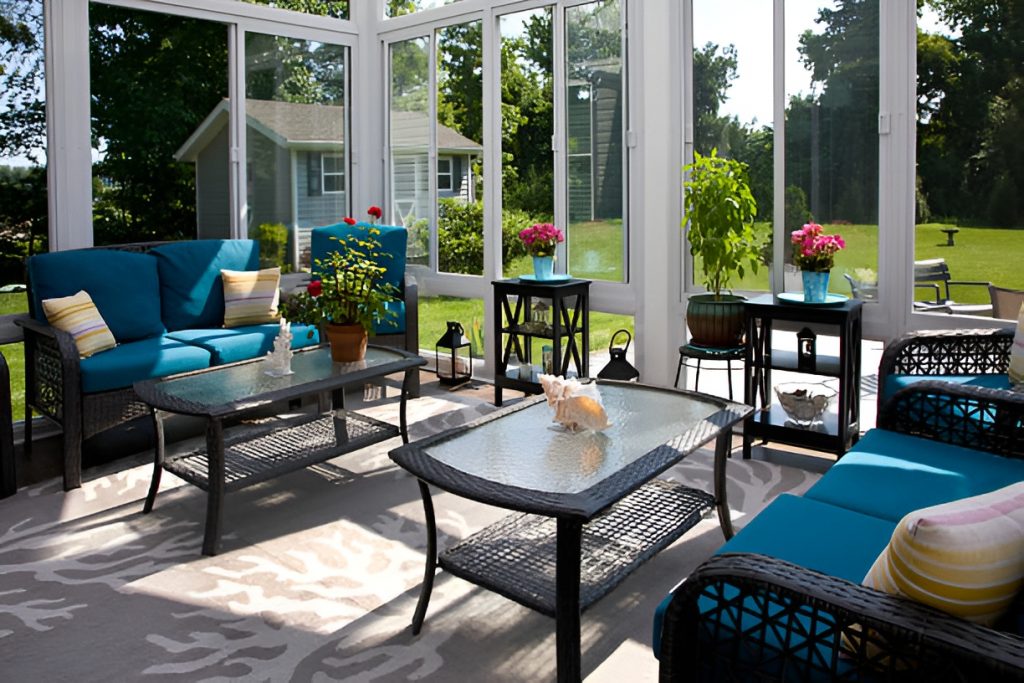
Many homeowners confuse three season rooms with four-season rooms or sunrooms. Here’s a quick breakdown:
- Three Season Room: Not fully insulated, designed for moderate weather, typically used from spring to fall.
- Four-Season Room: Fully insulated, heated and cooled, usable year-round, often built with double-pane windows and HVAC connections.
- Sunroom: Often refers to a glass-heavy structure, which can be three or four-season depending on insulation and HVAC installation.
Knowing the differences helps you set realistic expectations for usability and budget.
Why Consider Adding a Three Season Room to Your Home?
Adding a three season room can be a game-changer for both your lifestyle and property value. Here’s why:
- Extended Living Space: Create a casual lounge, reading nook, or dining area without a full-scale addition.
- Connection to Nature: Enjoy your backyard, garden, or outdoor views from a comfortable, protected space.
- Entertaining Guests: Perfect for hosting family gatherings or casual get-togethers without worrying about bugs or sudden rain.
- Cost-Effective Upgrade: Less expensive to build than a fully insulated addition, making it a smart investment.
- Increased Home Value: Adds appeal to potential buyers seeking versatile indoor-outdoor spaces.
How Can a Three Season Room Improve Your Daily Life?
A three season room isn’t just about aesthetics—it can enhance your home life in meaningful ways:
Relaxation and Stress Relief
Spending time in a sunlit, airy space can reduce stress and boost your mood. Whether you’re sipping coffee in the morning or winding down in the evening, the natural light and outdoor ambiance create a relaxing retreat.
Health Benefits
Exposure to natural light can help regulate your circadian rhythm, improve vitamin D absorption, and boost overall mental health. A three season room provides these benefits without the discomfort of extreme temperatures.
Family Time and Entertainment
This versatile space can become the go-to spot for board games, casual meals, or weekend brunches. Kids can enjoy the feeling of being outside while staying safe and comfortable indoors.
Work-from-Home or Creative Space
A three season room can also double as a home office, art studio, or yoga area. The bright, inspiring environment can increase productivity and creativity.
What Should You Consider Before Building a Three Season Room?
Before diving into construction, there are a few important factors to keep in mind:
Location and Orientation
- Choose a spot that maximizes sunlight while providing some shade during hot afternoons.
- Consider views, privacy, and access to the rest of your home.
Materials and Construction
- Durable, weather-resistant materials for floors, walls, and ceilings.
- Energy-efficient windows to help regulate temperature.
- Screens vs. glass: Screens provide airflow but less insulation, while glass adds some climate control.
Budget and Permits
- Determine your budget early, including materials, labor, and any optional features.
- Check local building codes and permit requirements before starting construction.
Seasonal Use
- Remember that a three season room is typically not intended for harsh winter use.
- Plan furniture and décor that can withstand moderate temperature swings and occasional moisture.
What Are the Design Options for a Three Season Room?
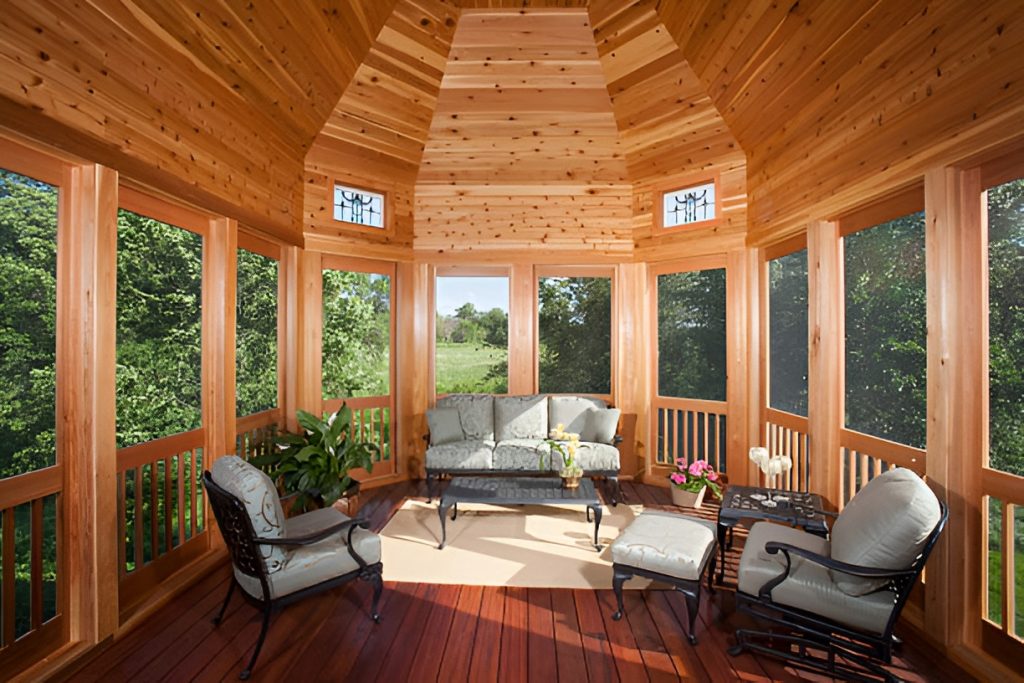
Designing your three season room gives you the chance to reflect your personal style while keeping it functional. Some popular design choices include:
- Rustic and Cozy: Wood beams, wicker furniture, and soft textiles for a cabin-like feel.
- Modern and Minimalist: Clean lines, neutral colors, and large glass panels for a contemporary look.
- Garden Oasis: Potted plants, trellises, and hanging planters to create an indoor-outdoor botanical experience.
- Entertainment Hub: Built-in benches, a small bar area, and durable flooring for hosting gatherings.
Furniture and Décor Tips
- Use lightweight or movable furniture to maximize flexibility.
- Opt for outdoor-friendly materials like teak, metal, or treated wicker.
- Include cozy textiles like throw blankets or outdoor rugs for warmth during cooler months.
How to Maintain Your Three Season Room
Maintaining your three season room ensures it remains comfortable and attractive year after year. Key tips include:
- Regular Cleaning: Sweep floors, wipe down windows, and clean screens regularly.
- Check for Weather Damage: Inspect for leaks, drafts, or signs of moisture.
- Seasonal Preparation: Close or cover furniture in late fall to protect it from winter weather.
- Pest Control: Keep screens and doors intact to prevent insects from entering.
How Much Does a Three Season Room Cost?
Costs can vary widely depending on size, materials, and features. A basic three season room may cost $10,000 to $25,000, while more elaborate designs with high-end materials can reach $40,000 or more.
Factors influencing cost:
- Size of the room
- Materials used for flooring, walls, and windows
- Optional features like ceiling fans, heaters, or built-in seating
- Labor and installation costs in your area
Frequently Asked Questions About Three Season Rooms
Can a Three Season Room Be Heated or Cooled?
Yes, but with limitations. Many homeowners use portable heaters, ceiling fans, or mini-split systems for comfort in cooler months, but full HVAC integration is rare since the room is not fully insulated.
Can I Use a Three Season Room in Winter?
Generally, it’s not designed for winter use. Depending on your climate, you might extend its use into early spring or late fall with additional heaters and insulated windows.
Is a Three Season Room a Good Investment?
Absolutely. It enhances your home’s appeal, provides extra usable space, and can improve your lifestyle—often at a fraction of the cost of a full addition.
How Long Does it Take to Build a Three Season Room?
Construction usually takes 4–8 weeks for most standard designs, though custom options can take longer depending on materials, permits, and labor availability.
Final Thoughts: Is a Three Season Room Right for You?
A three season room is a versatile, cost-effective way to expand your living space, connect with nature, and create a relaxing environment for your family and guests. Whether you want a quiet retreat, a fun entertainment space, or a cozy spot for meals, a three season room can enhance your home life without the expense of a full addition.
By understanding what a three season room is, considering design options, and planning for seasonal use, you can create a space that adds value, comfort, and enjoyment to your home for years to come.