

Many homeowners focus their attention on obvious home improvements, like painting, landscaping, or replacing worn-out appliances. While these updates can improve aesthetics and functionality, they often overlook the less visible services that dramatically impact comfort, safety, and long-term home value. Small, routine maintenance tasks can prevent costly emergencies, improve air quality, and even enhance overall health.
This guide explores lesser-known home services that may not be on every homeowner’s radar but play a critical role in creating a safe, efficient, and comfortable living environment. Each section provides practical tips and insights to help you take proactive steps toward a well-maintained home.
Schedule Seasonal HVAC Inspections Before Problems Start
Heating and cooling systems are the backbone of indoor comfort. Many homeowners don’t realize that neglecting routine maintenance can reduce efficiency, increase energy bills, and even shorten the lifespan of major equipment. Skipping regular inspections may seem harmless, but small issues like worn belts, low refrigerant, or clogged filters can quickly escalate into costly repairs or complete system failure. Proactive care not only prevents emergencies but also keeps your home consistently comfortable throughout the year.
A professional heat pump service ensures your system operates efficiently year-round. During a service visit, technicians check refrigerant levels, inspect electrical components, clean coils, and evaluate airflow. They also test thermostat performance and system cycling to identify inefficiencies. By addressing these small issues early, homeowners can avoid major breakdowns and extend the life of the equipment. Additionally, a well-maintained heat pump operates quietly, maintains even temperatures, and reduces energy consumption—resulting in lower utility bills.
Air conditioning systems also require regular attention, especially before peak summer months. Scheduling an air conditioning repair proactively can prevent unexpected system failures during the hottest days of the year. Homeowners should watch for signs like unusual noises, inconsistent temperatures, or rising energy bills, as these can indicate problems that need immediate attention. Preventative service can also improve indoor air quality by ensuring filters, coils, and ducts are clean, which reduces allergens and improves airflow.
Tips for effective HVAC maintenance:
- Schedule inspections in early spring and late fall to prepare for seasonal changes.
- Replace air filters every 1–3 months, depending on usage and household conditions.
- Keep outdoor units clear of debris, leaves, and vegetation that can restrict airflow.
- Monitor utility bills for sudden spikes that may indicate inefficiency or hidden leaks.
- Consider a maintenance contract for regular professional checkups and priority service.
- Keep a maintenance log of all inspections, repairs, and replacements to track performance over time.
- Clean vents and registers periodically to improve airflow and system efficiency.
Routine care of heating and cooling systems improves indoor comfort, reduces energy costs, and extends equipment life, helping prevent inconvenient breakdowns during extreme weather. Investing a small amount of time and money in seasonal inspections can save homeowners significant stress and expense in the long run.
Improve Indoor Air Quality With Deep Cleaning Strategies

Air quality significantly impacts health, especially for individuals with allergies, asthma, or respiratory sensitivities. Poor indoor air quality can lead to chronic sneezing, fatigue, or respiratory issues over time, making it essential to address hidden sources of pollutants. Two often-overlooked services— air duct cleaning and mattress cleaning—play a vital role in maintaining a healthy indoor environment and ensuring that your home feels fresh and comfortable year-round.
Air duct cleaning removes accumulated dust, pollen, pet dander, and other contaminants from ventilation systems. Over time, these particles can circulate through the home every time the HVAC system runs, triggering allergic reactions or exacerbating asthma symptoms. Additionally, clogged ducts can reduce airflow, forcing heating and cooling systems to work harder, which decreases efficiency and raises energy bills. Professional cleaning not only improves airflow and reduces allergens but can also help eliminate musty odors and prevent mold growth in areas where moisture collects.
Similarly, mattress cleaning is critical for both comfort and health. Mattresses naturally accumulate sweat, skin cells, dust mites, and other debris over time, creating a breeding ground for allergens and bacteria. Regular deep cleaning extends mattress life, reduces allergen exposure, and improves sleep quality. A clean mattress also contributes to better overall hygiene, particularly in homes with children or pets.
Practical tips for homeowners:
- Schedule air duct cleaning every 3–5 years, or sooner if you notice mold, excessive dust, or unusual odors.
- Rotate and vacuum mattresses weekly, and consider professional deep cleaning every 12–18 months.
- Use mattress protectors to prevent spills, dust accumulation, and allergen buildup.
- Replace HVAC filters regularly to complement duct cleaning and maintain clean airflow.
- Maintain indoor humidity levels between 30–50% to reduce mold growth and dust mite populations.
- Consider using HEPA vacuum systems and air purifiers to further improve air quality.
- Inspect vents periodically to ensure they are free from blockages and debris.
Investing in air quality services not only protects health but also enhances comfort and well-being throughout the home. Clean air and hygienic sleep environments create a noticeable difference in daily life, helping residents breathe easier, sleep better, and maintain a safer, healthier living space.
Reduce Fire Risks With Kitchen Vent Maintenance
Many homeowners underestimate the dangers associated with kitchen ventilation. Over time, grease, oil, and food residue can accumulate inside hood vents, creating a hidden fire hazard that often goes unnoticed. Even a small spark from cooking or an electrical malfunction can ignite these deposits, leading to dangerous fires. Professional hood vent cleaning services remove these buildups, improving airflow and significantly reducing fire risks while also keeping the kitchen smelling fresh and operating efficiently.
Signs your kitchen vents need attention include lingering cooking odors, visible grease accumulation, reduced suction, or unusual noises coming from the fan. While routine homeowner maintenance, such as wiping down surfaces and replacing filters, can help limit buildup, it cannot fully remove grease from deep within the ductwork. Professional cleaning ensures a thorough removal, reaching areas that DIY efforts cannot access.
Additional kitchen safety tips:
- Clean filters monthly, or more frequently if you cook heavily or use high-heat methods like frying.
- Keep flammable items such as dish towels, paper products, and plastic utensils away from stovetop and vent areas.
- Avoid using the oven or stovetop as a primary heat source for prolonged periods, which can overheat vent systems.
- Schedule professional hood vent cleaning annually or semi-annually, adjusting for cooking frequency and kitchen size.
- Test smoke alarms near kitchen areas regularly and replace batteries as needed.
- Ensure vents are properly installed and sealed to prevent grease from escaping into walls or ceilings.
- Use appropriate cleaning solutions recommended by professionals to avoid corrosion or damage to the vent system.
Regular attention to kitchen ventilation not only reduces fire hazards but also enhances air circulation, removes odors, and improves indoor comfort. A clean, well-maintained hood vent allows for safer cooking, healthier air, and peace of mind knowing that one of the most overlooked hazards in the home is being properly managed.
Prevent Structural Damage With Regular Roof Care
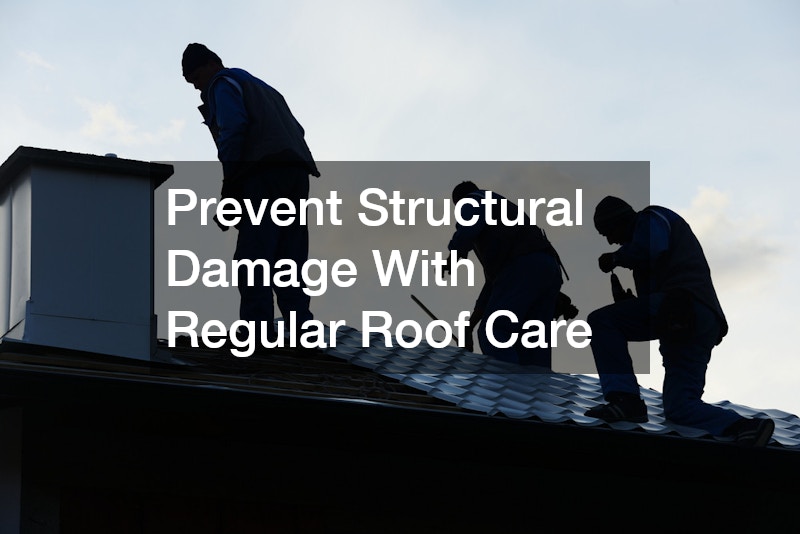
The roof is one of the most critical components of a home, yet it is often neglected until a leak or visible damage occurs. Beyond its obvious role in keeping out rain and snow, the roof protects the structural integrity of walls, ceilings, and insulation. Ignoring maintenance can lead to costly repairs, mold growth, and even structural weakening. Regular roof repair and timely emergency roof repair are essential for preventing these problems and preserving the value of your home.
Routine inspections help homeowners identify early signs of wear and damage before they become serious. Missing or cracked shingles, sagging areas, damaged flashing, and rusted metal components are all warning signs that repair is needed. Proactive roof repair prevents water infiltration, rot, and decay, while minimizing the likelihood of filing expensive insurance claims. In contrast, emergency roof repair is necessary when sudden damage occurs, such as after severe storms, falling branches, ice dams, or heavy snowfall. Responding quickly to these situations can save thousands of dollars in structural repairs and interior damage.
Tips for effective roof maintenance:
- Inspect roofs at least twice a year, ideally in spring and fall, and after major storms.
- Remove debris, moss, or leaves that trap moisture and accelerate shingle deterioration.
- Check attic spaces regularly for leaks, stains, or signs of water damage.
- Keep gutters and downspouts clean to prevent water backup and foundation issues.
- Trim overhanging branches that could damage shingles during high winds.
- Hire licensed professionals for inspections and repairs to ensure proper warranty coverage.
- Document repairs and inspections to track roof health over time.
By keeping roofs in top condition, homeowners protect their investment, improve energy efficiency, and reduce the risk of emergency situations. Regular maintenance not only extends the life of the roof but also provides peace of mind, knowing that your home’s first line of defense against the elements is strong and reliable.
Protect Plumbing and Appliances From Hard Water
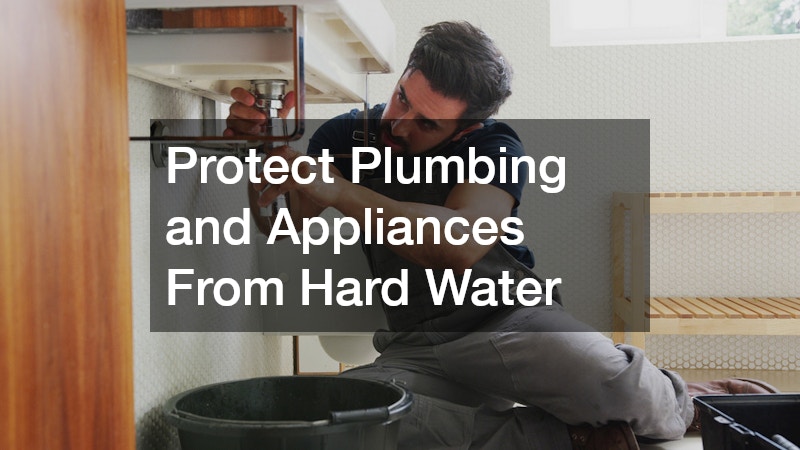
Hard water can silently damage appliances, plumbing, and even skin and hair, often without homeowners realizing the long-term impact. Calcium and magnesium minerals present in hard water gradually build up in pipes, water heaters, and appliances, reducing efficiency and potentially leading to costly repairs or replacements. Water softener systems are a highly effective solution to mitigate these issues, improving both the lifespan of household equipment and overall water quality.
These systems work by exchanging hard minerals with sodium or potassium ions, preventing scale formation and buildup in plumbing and appliances. Over time, hard water can leave stubborn stains on sinks, tubs, and fixtures that are difficult to remove with ordinary cleaning products. Scale buildup in water heaters and dishwashers can reduce efficiency, increase energy costs, and shorten appliance life. Installing a water softener system protects your plumbing infrastructure, ensures appliances run efficiently, and provides softer, more comfortable water for bathing, laundry, and daily household use.
Tips for managing water quality:
- Test your water hardness before purchasing a system to ensure proper sizing and effectiveness.
- Maintain the system regularly by refilling salt, checking settings, and performing inspections.
- Use water-efficient appliances in combination with a softener to maximize appliance longevity and reduce energy costs.
- Inspect showerheads, faucets, and appliances periodically for scale buildup and clean as needed.
- Consider professional installation to ensure optimal performance and proper system setup.
- Monitor water taste, appearance, and soap performance as additional indicators of water hardness.
- Combine softening with regular plumbing maintenance to prevent unnoticed blockages or leaks.
Addressing hard water issues not only improves comfort and convenience but also prevents expensive repairs in plumbing, appliances, and fixtures over time. Softer water improves the feel of skin and hair, reduces cleaning time, and protects your home’s systems from mineral-related damage, making it a small investment with significant long-term benefits.
Prepare for the Unexpected With Recovery Planning
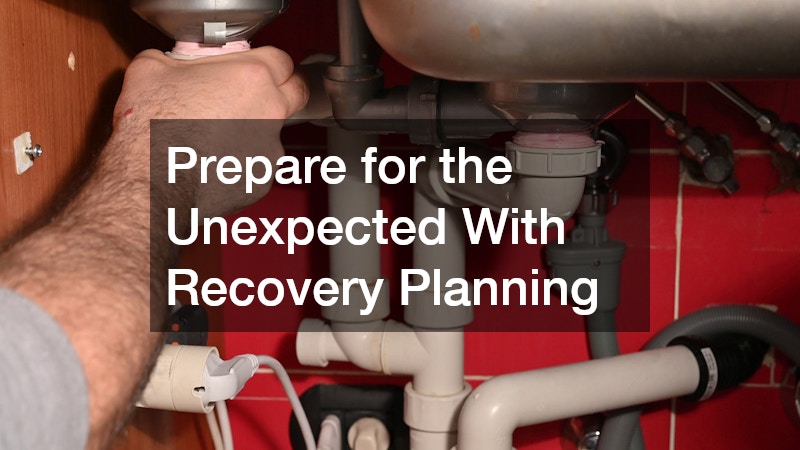
Damage restoration services are often associated with catastrophic events like floods, fires, or storms. However, even smaller incidents—like plumbing leaks or accidental spills—can cause structural and financial damage if left untreated.
Professional damage restoration services can handle water extraction, mold remediation, smoke removal, and structural repairs. Quick action is critical to minimizing long-term harm, preventing health hazards, and restoring the home to a safe, habitable condition.
Emergency preparedness tips:
- Identify potential vulnerabilities in your home, such as leaky pipes, old wiring, or weak roofing.
- Document belongings and maintain an updated inventory for insurance claims.
- Keep essential repair contacts and damage restoration services on hand.
- Address small leaks or structural issues immediately to avoid escalation.
- Create a disaster response plan for your household.
Being prepared with a restoration plan ensures homeowners can respond quickly, minimizing disruptions and protecting both property and family safety.
Strengthen Your Home With Modern Safety Measures
Modern home security systems do more than deter break-ins—they enhance overall safety. Professional home security installation ensures that devices are optimally placed, integrated, and functioning correctly.
Systems can include cameras, motion sensors, smart locks, and alarms, all connected to a central monitoring service. Proper installation reduces blind spots, prevents false alarms, and ensures rapid response in emergencies.
Safety optimization tips:
- Identify high-risk entry points like doors, windows, and garage access.
- Integrate smart devices for remote monitoring and control.
- Test all devices regularly and replace batteries as needed.
- Educate household members on emergency procedures and alarm use.
- Consider periodic professional audits to ensure the system remains effective.
Investing in home security measures increases peace of mind, protects valuables, and creates a safer living environment for all occupants.
While many homeowners focus on obvious repairs and upgrades, there are a host of lesser-known services that directly impact comfort, safety, and long-term savings. Proactive maintenance of HVAC systems, air quality management, kitchen vent cleaning, roof care, water treatment, emergency preparation, and home security can prevent costly damage, improve health, and enhance overall quality of life.
By understanding and implementing these services, homeowners take a more comprehensive approach to home care, ensuring their living spaces are comfortable, safe, and efficient for years to come.