
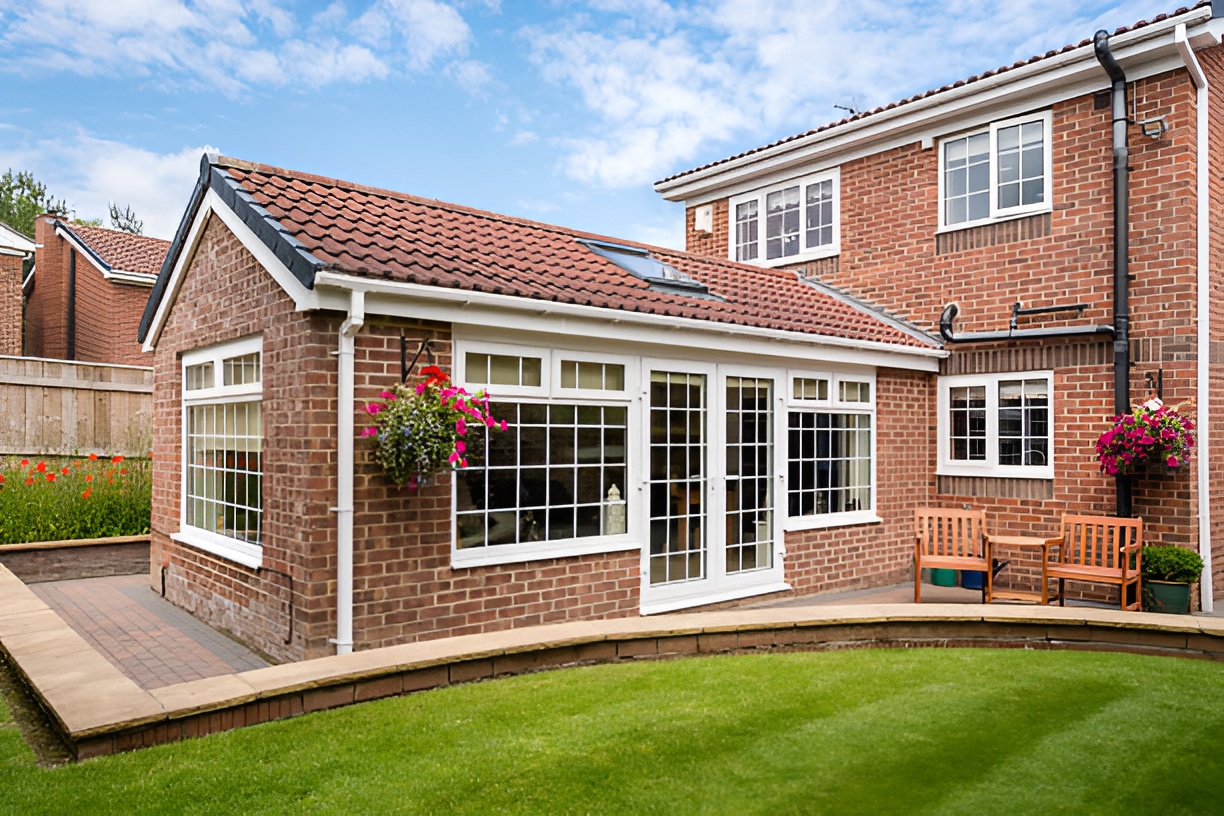
- Seasonal Use: Three-season rooms suit mild weather; four-season rooms are for year-round comfort.
- Materials Matter: Lightweight framing for three-season; wood or steel with insulation for four-season.
- Insulation: Minimal in three-season; full walls, ceilings, and floors in four-season.
- Windows & Doors: Single-pane/screens for three-season; double/triple-pane and insulated doors for four-season.
- Flooring & Roof: Simple flooring and lightweight roofs for three-season; insulated floors, durable roofs for four-season.
- Climate Control: Optional in three-season; HVAC and heating/cooling in four-season.
- Longevity: Four-season rooms last longer and need less upkeep than three-season rooms.
Thinking about adding extra living space to your home? You’ve probably come across the terms 3 season vs 4 season room. Both options offer a fantastic way to enjoy the outdoors without leaving the comfort of your home. But how do you decide which one is right for you? The key lies in understanding the materials, insulation, and construction methods used in each type. In this article, we’ll break down the differences, explore the costs, and help you determine the best fit for your lifestyle.
What is a 3 Season Room?
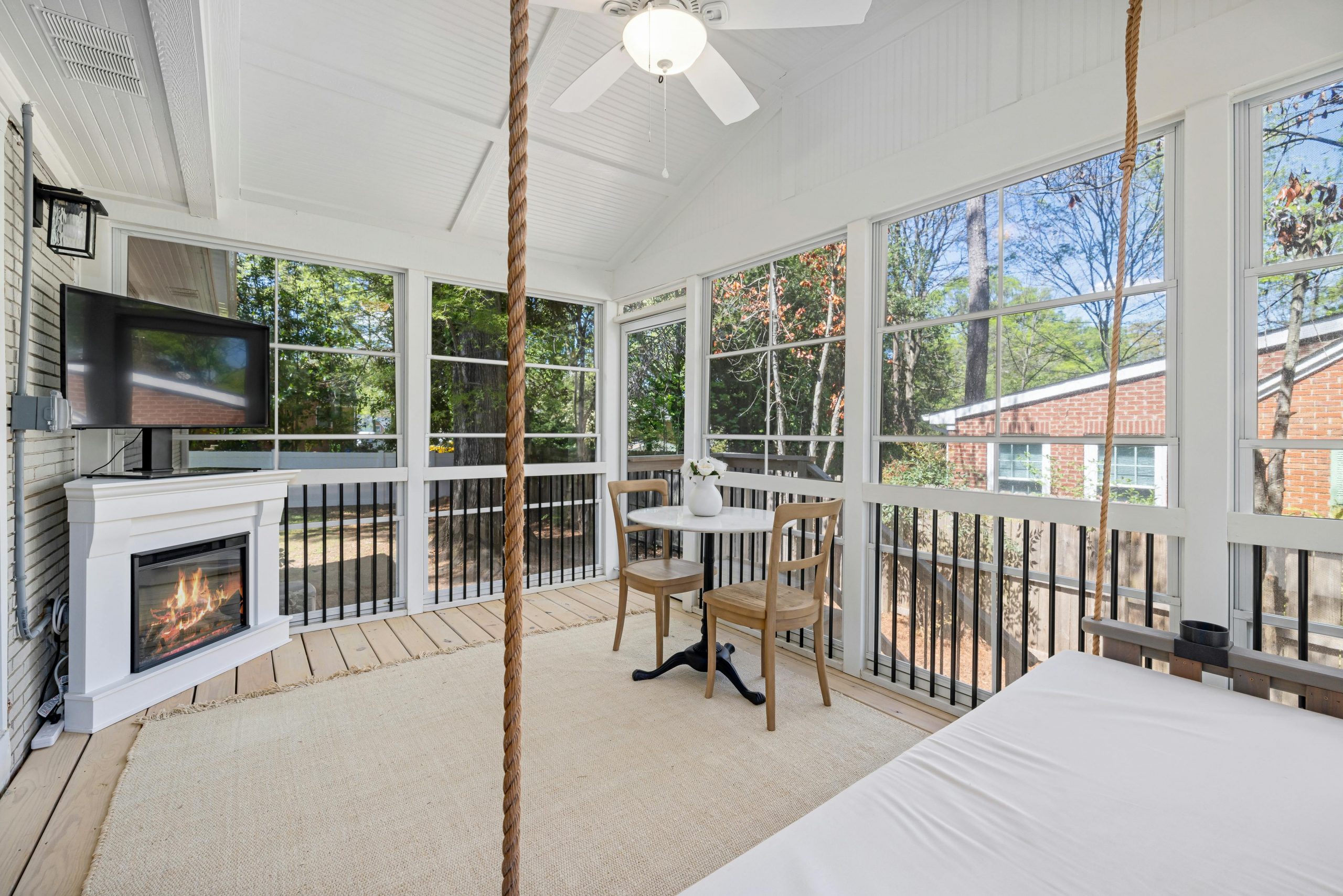
A three-season room is designed to be used during spring, summer, and fall. As the name suggests, it’s not built for extreme cold, so it’s not fully insulated or equipped with permanent heating.
Key Features of a 3 Season Room:
- Basic insulation, usually in the roof and minimal wall insulation
- Large windows or screens to let in natural light and air
- Lightweight framing and construction
- No permanent HVAC system
A three-season room is perfect if you live in a mild climate or want a space primarily for warmer months. These rooms are generally quicker and less expensive to build, making them a popular choice for families who want a sunroom, screened porch, or casual lounge area.
What is a 4 Season Room?
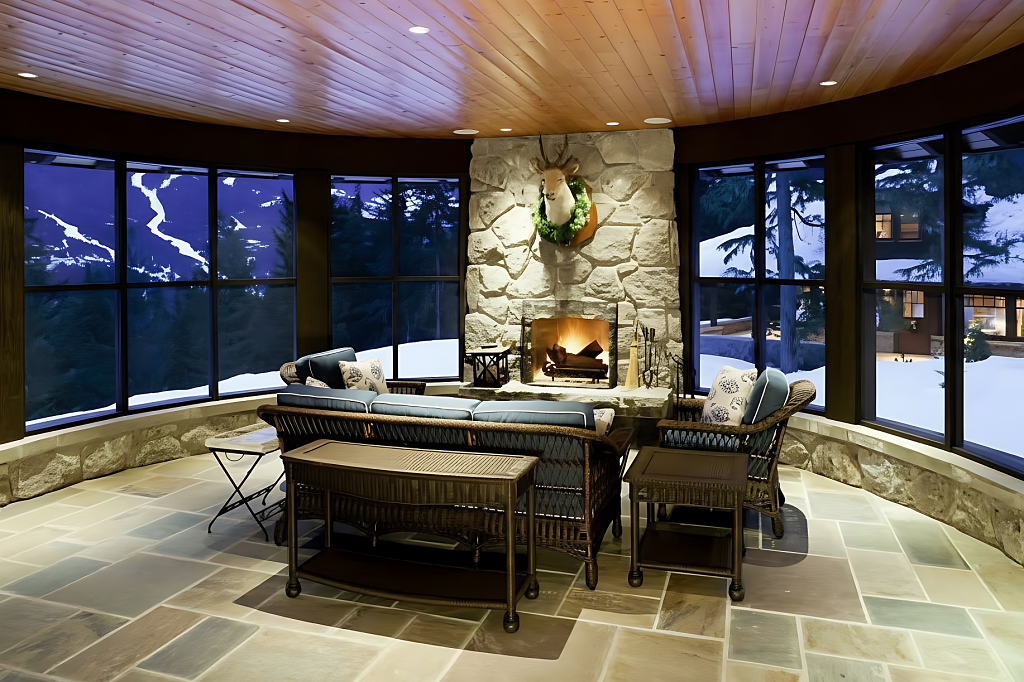
A four-season room, on the other hand, is designed to be comfortable year-round, even in cold winters. These rooms are fully insulated and often include heating, cooling, and high-quality materials to maintain a stable indoor temperature.
Key Features of a 4 Season Room:
- Fully insulated walls, roof, and sometimes floors
- Energy-efficient windows and doors
- Integrated HVAC system or other heating solutions
- Durable materials that withstand extreme weather
A 4 season room is ideal if you want a consistent, all-weather space. It often feels like a true extension of your home, allowing you to use it as a living room, dining area, or office regardless of the season.
How Insulation Differs in 3 Season vs 4 Season Room
Insulation is one of the most significant factors separating a 3 season vs 4 season room. Without proper insulation, a room can quickly become too cold in winter or too hot in summer.
3 Season Room Insulation:
- Limited to the roof: Most three-season rooms have insulated roofs only, helping slightly with summer heat but offering minimal winter protection.
- Walls partially insulated or not at all: Many three-season rooms rely on screens or thin walls, so they don’t retain heat in cooler months.
- Floor insulation optional: Since the floor is often concrete or wood, adding insulation is not standard. Cold floors can limit usability in early spring or late fall.
- Climate considerations: These rooms remain cooler in summer but aren’t suitable for prolonged winter use.
4 Season Room Insulation:
- Full wall and ceiling insulation: Walls and ceilings are fully insulated, creating a stable internal temperature regardless of outside weather.
- Floor insulation included: Especially important if you live in colder climates. Insulated floors prevent heat loss and make the room comfortable for bare feet or furniture.
- Weather-stripping around doors and windows: Tight seals prevent drafts, reduce moisture intrusion, and improve overall energy efficiency.
- Long-term benefits: Proper insulation reduces heating and cooling costs while maintaining comfort, making it a worthwhile investment for a room intended for year-round use.
Windows and Doors: What You Need to Know
Windows and doors play a critical role in comfort, aesthetics, and energy efficiency. In fact, poorly chosen windows or doors can undermine the best insulation.
3 Season Room Windows:
- Single-pane or screened options: These allow fresh air and natural light but provide little thermal protection.
- Designed to open fully: Ventilation is the primary focus, which is perfect for spring and summer but insufficient for cold winters.
- Limited protection: Heat can escape easily, and the room may become drafty in cooler months.
4 Season Room Windows:
- Double- or triple-pane glass: Offers significant insulation, reducing heat loss in winter and heat gain in summer.
- Low-E coatings: Reflect infrared heat and UV rays, enhancing energy efficiency and protecting furnishings from fading.
- Tight seals: Prevent drafts, moisture, and unwanted air infiltration, crucial for year-round comfort.
Door Options:
- Three-season rooms: Sliding glass doors or screen doors are common, focusing on ventilation rather than insulation.
- Four-season rooms: Insulated doors similar to the main house are standard, often featuring weather-stripping to keep the room airtight.
Flooring Considerations for 3 Season vs 4 Season Room
Flooring is more than just a design choice—it affects comfort, usability, and energy efficiency.
3 Season Room Flooring:
- Concrete slabs, wood, or composite decking: Durable and low-maintenance but can feel cold in early spring or late fall.
- Low insulation: Floors don’t retain heat, which limits usage during cooler weather.
- Cost-effective: These materials are affordable, aligning with the overall budget-friendly nature of three-season rooms.
4 Season Room Flooring:
- Insulated subfloors: Work in tandem with wall and ceiling insulation to maintain warmth and comfort.
- Hardwood, laminate, or tile: Durable, visually appealing, and compatible with radiant floor heating.
- Optional radiant heating: Adds a luxurious, year-round comfort factor, making the room more functional and inviting.
Roof and Ceiling Options
The roof not only protects the room but also affects energy efficiency, interior comfort, and visual appeal.
3 Season Roofs:
- Lightweight construction: Often made of polycarbonate panels or simple shingles.
- Minimal insulation: Suitable for summer and fall but offers little protection in winter.
- Limited durability: Heavy snow, strong winds, or extreme weather can damage the roof more easily.
4 Season Roofs:
- Standard residential roofing materials: Asphalt shingles, metal, or other heavy-duty materials designed to withstand all seasons.
- Fully insulated: Prevents heat loss in winter and reduces unwanted heat gain in summer.
- Additional features: Skylights, vaulted ceilings, or ceiling fans can be incorporated for aesthetic appeal and improved ventilation.
Heating and Cooling: Comfort All Year Long
One of the defining differences between a 3 season vs 4 season room is climate control.
3 Season Room:
- Natural ventilation: Open windows and screens provide airflow during warmer months.
- Portable solutions: Space heaters, fans, or portable AC units can be used, but they are not efficient for long-term use.
- Limited suitability: These rooms are not practical in extreme cold or heat.
4 Season Room:
- Integrated HVAC systems: Can be connected to the home’s main system or use mini-split units for heating and cooling.
- Radiant floor heating: Keeps the space warm from the ground up, adding luxury and consistent comfort.
- Ceiling fans or ductless AC: Ensures proper air circulation during hot summer months.
Cost Differences Between 3 Season vs 4 Season Room
Budget is always a factor when planning an addition. Generally, three-season rooms are more affordable, while four-season rooms involve higher upfront costs due to materials, insulation, and HVAC.
Typical Cost Factors:
- 3 Season Room: $10,000 – $30,000
- 4 Season Room: $25,000 – $70,000+
- Customizations like flooring, ceiling finishes, or technology can increase costs
- Long-term energy savings with a four-season room may offset higher initial investment
Understanding your budget will help you make a decision that balances cost with long-term usability.
Maintenance and Longevity
How much effort you’ll need to maintain your room depends heavily on whether you choose a 3 season vs 4 season room. While both options provide added living space, their durability and upkeep requirements differ significantly. Understanding these differences can help you plan for long-term satisfaction and cost.
3 Season Room Maintenance:
- Screens and windows: Screens may need regular cleaning to remove pollen, dust, and debris. Over time, they may also require replacement if torn or warped. Single-pane windows may develop condensation or minor leaks, especially during cooler months.
- Lightweight materials: Aluminum or vinyl framing and thinner roof panels can wear faster under exposure to sun, wind, and rain. Minor dents, scratches, or fading may occur over time.
- Limited weather protection: Because these rooms are not fully insulated, moisture and temperature fluctuations can affect flooring, furniture, and structural components, potentially leading to warping or corrosion.
- General upkeep: Annual checks for leaks, loose framing, or screen damage can help extend the life of your 3 season room. Though maintenance is generally low-cost, frequent minor repairs are more common.
4 Season Room Maintenance:
- Durable materials: Wood or steel framing, high-quality insulated windows, and reinforced roofing significantly reduce wear and tear. These components are designed to last decades with minimal intervention.
- Insulation and sealing: Full wall, ceiling, and floor insulation, combined with tight seals around windows and doors, prevents moisture infiltration, reduces the risk of mold or rot, and maintains a stable internal environment.
- Energy efficiency preservation: Maintaining HVAC systems and checking for drafts periodically ensures your room continues to perform efficiently year-round.
- Long-term value: With proper care, a four-season room can last as long as the main house structure itself, making it not just a comfortable living space but also a solid investment.
Lifestyle Considerations: Which Room Suits You?
Choosing between a 3 season vs 4 season room is not just about construction—it’s about how you plan to use the space.
Questions to Ask Yourself:
- Do you want to use the room year-round?
- How severe are winters or summers in your area?
- Are you willing to invest more upfront for energy efficiency?
- Will this room serve as a casual lounge or a full living space?
Your answers will guide whether a simpler three-season room or a fully insulated four-season room is the best fit.
Frequently Asked Questions About 3 Season vs 4 Season Room
Can I convert a 3 season room into a 4 season room later?
Yes, but it often requires significant upgrades including insulation, HVAC installation, and window replacement. Planning ahead can save costs if you anticipate upgrading in the future.
Do 4 season rooms add more value to my home?
Generally, yes. A fully insulated, climate-controlled room is more appealing to buyers and can increase resale value.
Which is better for energy efficiency?
Four-season rooms with proper insulation and energy-efficient windows are far superior, as 3 season rooms are not designed to retain heat or cool air effectively.
Final Thoughts: Making the Right Choice
When weighing 3 season vs 4 season room, the decision ultimately comes down to budget, climate, and intended use. A three-season room is a cost-effective way to enjoy outdoor views for most of the year, while a four-season room provides comfort, durability, and year-round usability.
By understanding materials, insulation, windows, flooring, and construction considerations, you can make an informed decision that enhances your home and lifestyle. Whether you want a casual retreat or a fully functional living space, planning carefully ensures that your investment pays off for years to come.