
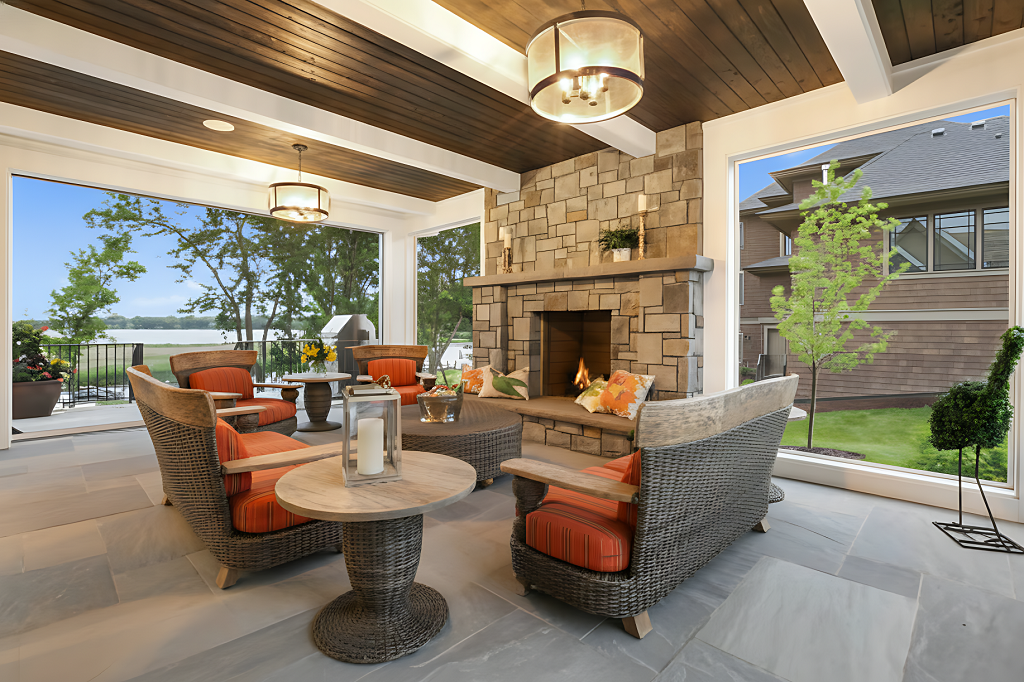
- A four season room is a fully insulated, climate-controlled space built to be comfortable year-round, unlike a sunroom or three season room.
- Planning is essential before building, including defining the room’s purpose, setting a budget, checking local permits, choosing the best location, and considering your climate.
- Four season rooms cost more than sunrooms due to insulation, HVAC, and structural requirements, with average costs ranging from about $20,000 to $90,000+ depending on size and materials.
- Key design decisions include choosing the right foundation, windows, roofing, flooring, and HVAC system to ensure comfort, energy efficiency, and durability.
- Proper insulation, energy-efficient windows, and the right heating and cooling system are crucial to keeping the room comfortable and affordable to operate.
- Common mistakes to avoid include underestimating costs, skipping permits, choosing low-quality windows, and ignoring insulation and HVAC capacity.
- A well-built four season room can increase home value, provide usable living space year-round, and create a seamless extension of your home when designed to match the existing structure.
A four season room can transform your home. It adds living space, boosts your property value, and creates a cozy spot to enjoy the outdoors without dealing with bugs, rain, or extreme temperatures. But building a four season room is not as simple as adding a sunroom or a screened porch. It requires careful planning, smart budgeting, and the right materials.
If you’re thinking about building a four season room, this guide will walk you through everything you need to know before you build. From permits and costs to insulation and HVAC options, this article covers the essentials so you can make the best decision for your home.
What exactly is a four season room?
A four season room is an enclosed space designed to be comfortable year-round. Unlike a three season room or a sunroom, a four season room is built with insulation, climate control, and durable materials that can handle cold winters and hot summers.
Here’s what makes a four season room different:
- It is insulated like the rest of the house.
- It has heating and cooling systems.
- It often uses double- or triple-pane windows.
- It is built to handle snow, wind, and temperature extremes.
- It may include a proper foundation or structural support.
A four season room isn’t just a nice add-on; it’s a true extension of your living space. Because of that, planning and building it correctly matters.
Why are people choosing four season rooms?

There are several reasons homeowners choose a four season room, and they’re not all about adding space.
More living space without moving
If you love your neighborhood and your home but need more space, a four season room is one of the best ways to expand without moving. It’s a cost-effective way to add square footage without the hassle of a full renovation or addition.
Better connection to the outdoors
A four season room gives you the feeling of being outside while staying comfortable. You can enjoy the views, natural light, and fresh air without dealing with bugs, rain, or harsh temperatures.
Great for entertaining
Whether you love hosting dinner parties, game nights, or casual gatherings, a four season room offers a great space to entertain. It keeps guests comfortable in any weather.
Increases home value
A properly built four season room can add significant value to your home. Buyers love the extra space, especially when it’s usable all year long.
What are the first steps before you start building?
Before you jump into construction, you need to plan properly. Here are the essential first steps:
- Decide your purpose: Think about how you want to use the space. Will it be a family room, a dining area, a home office, or a relaxing retreat? Your intended use will influence the design, layout, and materials.
- Determine your budget: A four season room is an investment. Before you start, decide how much you’re willing to spend. This will help you choose the right size, materials, and finishes.
- Check local building codes and permits: Many cities require permits for additions, especially those with electrical, HVAC, or structural changes. Check your local building codes before you begin.
- Consider the best location: The location of your four season room matters for light, privacy, and access. Most homeowners prefer to build off the back of the house or over a deck.
- Think about the climate: If you live in an area with harsh winters or very hot summers, you need to plan for insulation, windows, and climate control.
What’s the difference between a four season room and a sunroom?
A sunroom is usually designed for warm-weather use. It often has lots of windows and may not be insulated or climate controlled. A four season room, on the other hand, is built to be used year-round.
Here’s a quick comparison:
Sunroom:
- Often uninsulated
- May not have HVAC
- Best for spring, summer, and fall
- Typically less expensive
Four season room:
- Fully insulated
- Has heating and cooling
- Usable year-round
- Higher upfront cost but more functional
What are the most common four season room designs?
There are several popular designs for four season rooms, and each has pros and cons. The right choice depends on your home style, budget, and how you want to use the space.
Common designs include:
- Attached addition: A permanent extension that connects directly to the home.
- Over-deck room: Built over an existing deck, often with a strong foundation and structural supports.
- Converted garage: A garage conversion can become a four season room with the right insulation and HVAC upgrades.
- Standalone structure: A separate building in the yard that functions as a four season room.
What should you consider when choosing the design?
Here are the key factors to consider:
- How much space do you need?
- Do you want it attached to the house or separate?
- How will it connect to your existing living space?
- What’s the condition of your current foundation or deck?
- How much natural light do you want?
- Do you want large windows or more wall space?
How much does a four season room cost?
Cost is one of the biggest concerns for homeowners. A four season room is more expensive than a sunroom because it requires proper insulation, heating and cooling, and stronger construction.
Average costs vary depending on size, materials, and location. Here are some rough estimates:
- Small four season room (120–150 sq ft): $20,000–$35,000
- Medium four season room (200–300 sq ft): $35,000–$60,000
- Large four season room (300–400 sq ft): $60,000–$90,000+
Keep in mind that these are rough estimates. Your actual cost may be higher or lower depending on your choices.
What factors impact the cost?
Several factors influence the cost of a four season room:
- Size and square footage
- Foundation type (slab, crawl space, or deck support)
- Window and door quality
- Roofing materials
- Insulation levels
- HVAC system type
- Electrical and plumbing needs
- Interior finishes and flooring
- Labor costs in your area
What’s the best foundation for a four season room?
A strong foundation is essential for a four season room. It needs to support the structure, handle weather conditions, and prevent moisture problems.
Common foundation options include:
- Concrete slab: Durable and stable, but may require additional insulation.
- Crawl space: Provides airflow and easy access to utilities.
- Full basement: Offers additional storage or living space.
- Deck support: If building on a deck, the deck must be properly reinforced to support the additional weight.
If you’re building over a deck, you must ensure the deck is structurally sound and can support the added weight of walls, windows, and roofing.
Do you need permits to build a four season room?
In most areas, yes. Because a four season room is considered a permanent addition, it typically requires permits for:
- Structural changes
- Electrical work
- HVAC installation
- Plumbing (if applicable)
Permits ensure the work meets building codes and safety standards. Skipping permits can lead to fines, insurance problems, or issues when selling your home.
What about insulation and energy efficiency?
Insulation is one of the most important parts of a four season room. Without proper insulation, the room will be uncomfortable and expensive to heat and cool.
Important insulation considerations include:
- Wall insulation: Typically fiberglass or spray foam.
- Roof insulation: Helps prevent heat loss in winter and heat gain in summer.
- Floor insulation: Especially important if building over a deck or crawl space.
- Window quality: Double- or triple-pane windows with low-E coatings.
Energy-efficient windows and doors help reduce heat loss and improve comfort. It’s worth investing in higher-quality windows to save money in the long run.
How do you handle heating and cooling?
A four season room needs reliable climate control. There are several options depending on your budget and preferences:
- Mini-split HVAC system: A popular choice for four season rooms because it’s efficient and easy to install.
- Extend existing HVAC: If your current system can handle the extra load, extending ductwork may be an option.
- Electric baseboard heating: Simple and cost-effective for smaller rooms.
- Radiant floor heating: Provides consistent warmth and is comfortable in cold climates.
For cooling, a mini-split or central AC extension is usually the best option. You’ll want to choose a system that can handle the room size and insulation level.
What type of windows should you choose?

Windows are a major design decision for a four season room. They affect comfort, energy efficiency, and the overall look.
Here are common window types:
- Casement windows: Great for airflow and easy to open.
- Double-hung windows: Classic look, easy to clean.
- Picture windows: Offer large views but may not open.
- Sliding windows: Easy to operate and space-efficient.
When choosing windows, look for:
- Double- or triple-pane glass
- Low-E coating
- Insulated frames
- Good weather stripping
How do you choose the right roofing?
Roofing is often overlooked, but it’s a crucial part of a four season room. You want a roof that matches your home and protects against weather.
Common roofing options include:
- Asphalt shingles: Affordable and matches most homes.
- Metal roofing: Durable and long-lasting.
- TPO or rubber roofing: Common for flat or low-slope roofs.
- Standing seam metal: Premium option with strong durability.
You should also consider roof pitch, drainage, and whether you want skylights or ceiling fans.
What flooring works best in a four season room?
Flooring choices depend on how you plan to use the room. You want something durable, comfortable, and able to handle temperature changes.
Popular options include:
- Tile flooring: Durable and easy to clean.
- Luxury vinyl plank (LVP): Looks like wood but handles moisture well.
- Engineered hardwood: A warm, attractive option if properly insulated.
- Carpet: Comfortable but not ideal for moisture or high-traffic areas.
If the room will be used for heavy traffic or pets, choose a durable and easy-to-clean floor.
What about lighting and electrical needs?
Electrical planning is a key part of a four season room. You’ll likely need:
- Ceiling lights or fans
- Outlets for lamps and electronics
- Recessed lighting for a modern look
- Outdoor-rated fixtures if the room has exterior access
- Wiring for a TV or sound system
Consider how you want to use the space and plan your electrical layout accordingly.
What about plumbing?
Plumbing is not always necessary, but it can be a great addition depending on your plans. Some homeowners include:
- A small wet bar
- A sink
- A half-bathroom
Adding plumbing increases cost and complexity, but it can make the space more functional and valuable.
What are the biggest mistakes homeowners make?
Planning a four season room is a big project, and mistakes can be costly. Here are common errors to avoid:
- Underestimating the cost
- Skipping permits
- Choosing poor-quality windows
- Ignoring insulation needs
- Not planning for HVAC capacity
- Building without considering the foundation
- Not planning for seasonal changes
A four season room needs to be built like a real part of your home, not just a fancy porch.
How long does it take to build a four season room?
The timeline varies based on size, design, and whether you’re building from scratch or over an existing deck. On average, expect:
- Planning and permits: 2–6 weeks
- Construction: 4–12 weeks
- Final inspections and finishing: 1–2 weeks
Delays can happen due to weather, supply issues, or permit approval times.
Should you hire a contractor or DIY?
A four season room is a major build, and most homeowners hire a contractor. A contractor can handle:
- Permits and inspections
- Structural engineering
- Electrical and HVAC work
- Proper insulation and sealing
DIY is possible for smaller projects or if you have construction experience, but it’s a complex build.
How can you make your four season room feel like part of your home?
A well-designed four season room should flow naturally from your existing home. Here are design tips:
- Match the exterior siding and roof
- Use consistent interior finishes
- Choose windows that match your home’s style
- Use similar trim and paint colors
- Create a smooth transition between spaces
This helps the room feel like a natural extension, not an add-on.
What are some smart upgrades to consider?
If your budget allows, these upgrades can make your four season room even better:
- Built-in seating or storage
- Ceiling fans or recessed lighting
- Radiant floor heating
- High-quality windows and doors
- Smart thermostat for easy temperature control
- Custom built-ins or shelving
These upgrades increase comfort and value, and they make the space more functional.
What questions should you ask your builder?
Before you hire a contractor, ask these questions:
- Do you have experience building four season rooms?
- Can you provide references?
- Will you handle permits and inspections?
- What materials do you recommend and why?
- How will you handle insulation and HVAC?
- What is the estimated timeline and cost?
- Do you offer a warranty?
Getting clear answers will help you avoid surprises and ensure the project goes smoothly.
Is a four season room worth it?
For many homeowners, the answer is yes. A four season room adds usable space, improves comfort, and increases home value. It can be a great investment if planned and built correctly.
However, it’s important to consider your budget, climate, and long-term goals. If you want a simple space for spring and summer only, a three season room may be enough. But if you want a room you can use year-round, a four season room is the best choice.
Final thoughts
A four season room can be one of the best upgrades you make to your home, but it requires thoughtful planning. From permits and foundation to insulation and HVAC, every decision impacts comfort and cost.
If you take the time to plan properly and choose the right materials and contractors, your four season room will become a favorite space for years to come. Whether you’re relaxing with a book, hosting friends, or enjoying a morning coffee, a well-built four season room is a true extension of your home.