
Home improvement projects designed for long-term living focus on creating spaces that remain comfortable, functional, and supportive as needs evolve over time. Unlike trend-driven updates, long-term improvements prioritize durability, safety, and adaptability. These projects are often less about immediate visual impact and more about how a home performs day after day, year after year. When improvements are planned with longevity in mind, they reduce the need for constant repairs and help homeowners feel more confident about their investment.
As households change, homes must be able to change with them. Growing families, aging residents, remote work, and shifting lifestyles all place new demands on living spaces. Long-term living requires homes that support movement, comfort, and reliability without frequent disruption. Thoughtful upgrades can improve how rooms function, reduce maintenance stress, and make daily routines easier. Even modest improvements can have a lasting effect when they address common wear points or recurring issues.
Improving Comfort in Everyday Living Spaces
Everyday living spaces are where most time is spent, making comfort a top priority for long-term living. These areas should feel welcoming, functional, and easy to maintain. Comfort is influenced by factors such as flooring condition, lighting, furniture layout, and noise levels. When these elements work together, daily activities feel less demanding and more enjoyable. A comfortable living space supports relaxation, productivity, and connection without constant adjustments.
Over time, wear and tear can reduce comfort, especially in high-traffic areas. Flooring that becomes damaged or uneven can affect both appearance and usability. Addressing these issues early helps preserve the feel of the space while preventing larger problems from developing. Small updates can restore comfort without requiring major renovation.
More specifically, investing in carpet repair can improve both comfort and safety in living areas where soft flooring is preferred. Repairing worn seams, loose edges, or damaged sections helps restore a smooth surface that feels better underfoot. This improves insulation, reduces tripping hazards, and extends the life of existing flooring.
Enhancing Home Safety and Accessibility
Safety and accessibility are essential considerations for homes designed for long-term living. A safe home supports independence and reduces the risk of injury, especially as mobility needs change. Features such as clear walkways, secure boundaries, and well-defined entry points contribute to a sense of stability and ease. When safety is built into the home’s design, it allows residents to move confidently through their environment.
Accessibility improvements often benefit everyone, not just those with specific needs. Wider paths, secure outdoor areas, and well-lit entrances make the home easier to navigate and maintain. These updates help prevent accidents while supporting everyday activities such as entering the home, hosting guests, or spending time outdoors. A focus on accessibility creates a more adaptable home that can accommodate changing needs without major disruption.
More specifically, working with fence builders helps enhance both safety and accessibility by defining property boundaries and creating secure outdoor spaces. Proper fencing supports privacy, keeps pets and children safe, and improves overall usability of yards and walkways.
Upgrading Systems for Long-Term Reliability
A home built for long-term living depends on systems that function consistently and efficiently over many years. Electrical, plumbing, heating, and cooling systems all play significant roles in daily comfort, and when these systems begin to fail, the impact is felt throughout the home. Investing in reliable systems reduces interruptions, prevents emergencies, and keeps the home operating smoothly. Reliability is especially important as families grow, schedules get busier, and the demands placed on these systems increase. A long-term approach prioritizes preventative maintenance, quality components, and professional installation to ensure the home’s essential functions remain stable.
When home systems are outdated or frequently breaking down, the stress on homeowners can become overwhelming. Unexpected repairs are not only inconvenient—they can also be expensive and disruptive. By upgrading systems before problems escalate, homeowners can avoid sudden failures and enjoy more predictable, energy-efficient performance. Planning system improvements proactively rather than reactively makes the home more resilient and easier to manage over time.
More specifically, addressing cooling needs through local ac repairs ensures the home maintains a comfortable climate throughout the year. A well-functioning cooling system reduces humidity, improves air circulation, and supports healthier indoor air quality. Regular tune-ups and timely repairs help extend the lifespan of the equipment while preventing breakdowns during peak usage.
Designing Flexible Spaces for Changing Needs
Homes evolve along with the people who live in them. Spaces that once served one purpose may need to adapt as lifestyles shift, families grow, or work habits change. Designing flexible spaces allows rooms to transition smoothly between functions without requiring extensive remodeling. Flexibility can be built into a home through open layouts, multipurpose furniture, smart storage, and thoughtful use of natural light. These design choices make it easier for homeowners to reconfigure their environment as needs change over time.
A flexible home also helps reduce long-term renovation expenses. When spaces are designed with adaptability in mind, the home remains functional even as household dynamics shift. Rooms can transition from playrooms to home offices, from guest rooms to hobby spaces, or from unused corners into productive nooks. Flexibility ensures the home remains both practical and enjoyable, no matter how routines and priorities evolve.
More specifically, planning for long-term adaptability is often supported through professional home remodeling services. Strategic remodeling can open floor plans, add storage, improve circulation, or create multi-functional rooms that better suit current and future needs.
Improving Energy Efficiency and Climate Control
Energy efficiency plays a major role in creating a home that supports long-term living. An energy-efficient home is more comfortable, more affordable to maintain, and more environmentally responsible. Improved insulation, updated windows, and efficient heating and cooling systems help regulate temperature while reducing utility costs. These upgrades also contribute to a more stable indoor environment, making the home feel comfortable in all seasons. Long-term planning prioritizes improvements that reduce energy waste and increase the overall performance of the home.
Climate control is equally important. Homes that struggle to stay warm in winter or cool in summer place greater strain on mechanical systems and create discomfort for residents. Addressing these issues early helps prevent wear on equipment and reduces the likelihood of expensive repairs down the road. Climate-focused upgrades also enhance daily quality of life by maintaining consistent temperatures without constant adjustments.
More specifically, homeowners can improve energy efficiency by working with water well companies when addressing water supply or irrigation needs. Efficient water systems reduce unnecessary energy consumption and improve household sustainability. Modern well systems are designed to deliver reliable water pressure while minimizing strain on the home’s mechanical components.
Strengthening Structural and Exterior Elements
A strong home begins with a solid exterior. Structural integrity is crucial for long-term living because it protects the home from weather, age-related deterioration, and unexpected damage. Exterior elements—including the foundation, siding, roofing, and windows—work together to keep the interior safe and comfortable. When these components are well maintained, the home becomes more efficient, more durable, and better equipped to handle seasonal changes and everyday wear. Strengthening the exterior helps prevent costly repairs and protects the investment homeowners make in interior upgrades.
Over time, exposure to rain, wind, and temperature fluctuations can weaken exterior components. Regular inspections and timely upgrades help catch small issues before they become major problems. Homeowners who prioritize structural improvements benefit from better insulation, reduced drafts, and increased energy efficiency. These updates support a healthier and more stable indoor environment.
More specifically, coordinating improvements with a roofer ensures that one of the home’s most important protective features remains in optimal condition. A well-maintained roof prevents water damage, improves thermal performance, and enhances overall structural stability. By addressing roofing needs proactively, homeowners can avoid leaks, mold growth, and costly emergency repairs.
Modernizing Kitchens for Daily Use
Kitchens serve as central hubs in many homes, making functionality and durability essential for long-term living. A well-designed kitchen supports meal preparation, storage, and daily household routines without unnecessary strain. Modernizing this space often involves upgrading appliances, improving lighting, and enhancing workflow to create a more intuitive and efficient environment. When the kitchen operates smoothly, it reduces daily stress and increases overall home satisfaction.
Long-term upgrades focus on durability and ease of maintenance. Choosing materials and layouts that hold up to frequent use helps keep the kitchen looking fresh and functioning well for years. Improving ventilation, adding ergonomic storage, and updating countertops all contribute to a space that feels both modern and dependable.
More specifically, integrating necessary maintenance tasks such as septic pumping into routine home care ensures the kitchen continues to function properly. A well-maintained septic system supports consistent drainage, reduces the risk of backups, and prevents unpleasant odors that can disrupt daily life.
Updating Bathrooms for Comfort and Durability
Bathrooms are among the most frequently used spaces in any home, making comfort and durability vital for long-term living. A well-designed bathroom supports daily routines while providing a sense of relaxation and privacy. Upgrading elements such as lighting, ventilation, and storage can significantly improve functionality. Durable finishes and water-resistant materials ensure the space remains attractive and easy to maintain despite heavy use.
As lifestyles change, bathrooms may also need to accommodate accessibility needs or layout adjustments. Investing in long-lasting materials and thoughtful design helps reduce renovation frequency while improving overall comfort. Updated bathrooms contribute to higher home value and better daily experiences for all residents.
More specifically, working with bathroom remodelers can help homeowners incorporate modern features such as walk-in showers, efficient fixtures, and slip-resistant flooring. These upgrades improve safety, reduce water consumption, and enhance long-term durability.
Creating Low-Maintenance Outdoor Areas
Outdoor areas contribute significantly to the comfort and long-term livability of a home, but they can also become a source of ongoing maintenance if not designed thoughtfully. A well-planned outdoor space should provide beauty and function without requiring constant upkeep. Choosing durable materials, incorporating native or low-water plants, and designing spaces that encourage relaxation can help homeowners enjoy their yards without feeling burdened by excessive tasks. A low-maintenance outdoor area becomes an extension of the living space, offering a place to unwind while supporting long-term convenience.
Reducing maintenance does not mean sacrificing appeal or usability. Features like weather-resistant furnishings, simplified landscaping, and clean, well-defined layouts can greatly reduce the time and effort required to keep outdoor areas looking their best. When outdoor spaces are planned with long-term simplicity in mind, they add meaningful value to the home and become places families can enjoy year-round.
More specifically, collaborating with a deck builder can help homeowners create an outdoor space that is both functional and durable. A properly constructed deck provides a stable, low-maintenance surface for gatherings, dining, or relaxation. Using high-quality materials and thoughtful design minimizes upkeep while maximizing enjoyment.
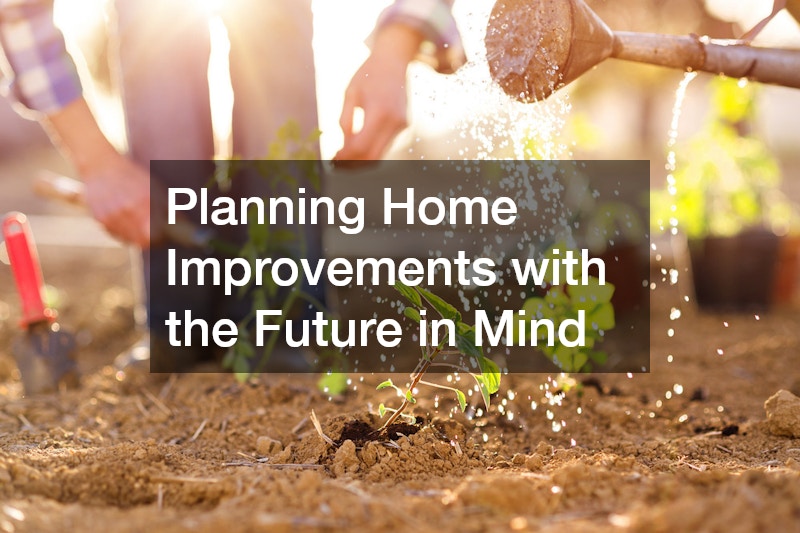
Planning Home Improvements With the Future in Mind
Long-term living requires thoughtful planning that anticipates how needs may evolve over time. Instead of focusing solely on immediate preferences, homeowners benefit from considering how spaces will be used in the years ahead. This includes thinking about aging in place, accommodating future family changes, and designing spaces that remain adaptable. Planning ahead reduces the likelihood of frequent renovations and allows improvements to support stability and comfort well into the future.
Forward-thinking home improvements often prioritize durability, versatility, and low-maintenance features. Homeowners who select long-lasting materials, energy-efficient systems, and flexible layouts enjoy greater peace of mind knowing the home can adapt as their needs change. Investing in improvements that balance form and function ensures the home remains livable and comfortable without requiring major adjustments.
More specifically, incorporating garden supplies into outdoor planning helps create sustainable landscapes that thrive with minimal intervention. Choosing plants, soils, and tools that support easy upkeep allows outdoor spaces to remain vibrant and enjoyable throughout the seasons. These thoughtful additions contribute to a long-term environment that aligns with the broader goal of maintaining a comfortable and enduring home.
Designing a home for long-term living requires more than surface-level updates, it involves understanding how every improvement contributes to daily comfort, stability, and longevity. A well-planned home supports its residents through changing needs, offering durability where it matters and flexibility where life requires it. From interior comfort and safety upgrades to exterior resilience and functional outdoor design, each improvement strengthens the home’s ability to provide a dependable living environment.