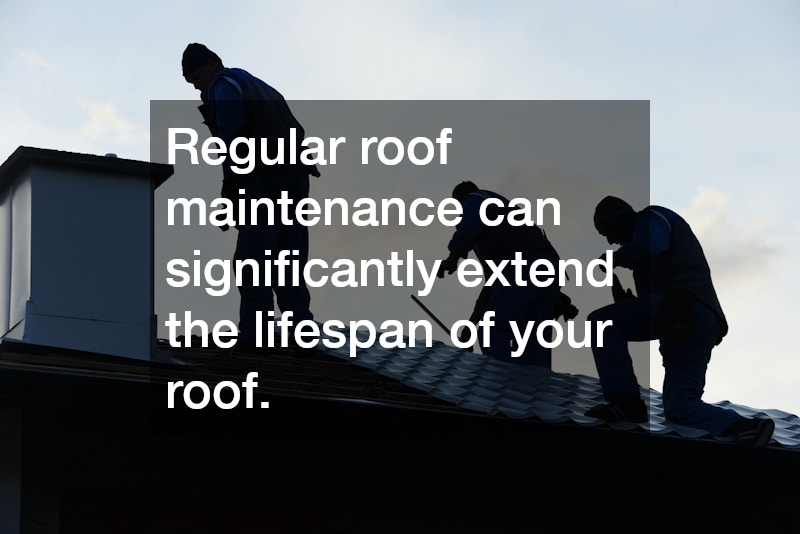
Understanding the importance of regular roof maintenance can significantly extend the lifespan of your roof, protecting your home and saving you money in the long run. Maintaining your roof not only prevents damage but also enhances the overall safety and aesthetic appeal of your home. This article will provide valuable tips and insights on how to maintain your roof effectively, ensuring its longevity and efficiency.
How Often Should I Inspect My Roof?
Regular roof inspections are essential for maintaining your home’s protection. Homeowners should look for missing shingles, debris buildup, and signs of mold or mildew, which can escalate into bigger problems if ignored.
Checking flashing around chimneys, vents, and skylights can also prevent water leaks and prolong the roof’s lifespan.
Ideally, roofs should be visually inspected twice a year. During these checks, look for cracks, curling shingles, discoloration, or other wear that may indicate it’s time for repairs or replacement. Proper water drainage is critical—clear gutters and downspouts prevent water from infiltrating underlayments and causing deterioration. Additionally, pay attention to roof valleys, chimneys, and edges, as these areas are more prone to damage and leaks. Inspecting these spots carefully can help detect issues before they escalate.
Seasonal changes affect roofing differently. Before winter, inspect for loose shingles to prevent snow and ice damage. After winter, check for ice dam effects, which can cause leaks. Summer and spring inspections are ideal due to favorable weather, ensuring heat damage or sun-related wear is identified early. Fall is best for clearing gutters and preparing the roof for winter by removing leaves and debris. Aligning inspections with seasonal shifts helps prevent damage and extend your roof’s life. Additionally, paying attention to local weather patterns—such as heavy rainfall or high winds—can guide extra inspections after extreme events.
While visual inspections are helpful, professional inspections performed by a roofing company provide a more detailed assessment. Experts can detect underlying issues not visible to homeowners, such as moisture trapped beneath shingles or hidden structural weaknesses. If you notice recurring leaks, persistent dampness, or storm damage, hiring a professional is recommended. Inspections every few years can reveal hidden problems and provide guidance on repairs or upgrades, including energy-efficient or more durable materials. A professional may also advise on preventive treatments, such as coatings or ventilation improvements, which can extend roof life.
Common Roof Maintenance Tasks
Cleaning is essential to prevent debris buildup, which can block gutters and cause water pooling that leads to leaks. Regular roof cleaning also helps spot early signs of aging or damage. Use gentle tools like leaf blowers to avoid harming shingles, and trim overhanging branches to reduce debris accumulation and moisture issues. Additionally, keeping the roof free of moss or algae prevents deterioration and maintains structural integrity.
Gutter maintenance is equally important. Inspect and clean gutters at least twice a year to prevent clogs that could lead to water damage. Gutter guards can help, but regular checks are still needed. Ensure downspouts direct water away from the foundation to avoid structural issues. Proper pitch and alignment also prevent overflow and water damage, keeping both the roof and home safe. Monitoring for rust, leaks, or loose hangers also improves the longevity of your gutter system.
Sealants and caulking maintain waterproof barriers around joints, skylights, chimneys, and vents. Over time, sealants degrade, so reapplying them prevents leaks and protects the interior. Proper sealing also reduces air leaks, improving energy efficiency and reducing heating or cooling costs. Inspect sealants annually, particularly after severe weather, to ensure they remain effective.
Signs of Roof Damage Needing Immediate Repair
Water stains and leaks are early indicators of roof issues. Leaks can lead to mold growth, electrical hazards, and structural damage if not addressed promptly. Check attics and ceilings for stains and call a local roofer if the source is unclear. Prompt attention can prevent extensive damage and higher repair costs.
Missing, cracked, or curling shingles can allow moisture to penetrate the underlayment. Storms or high winds often cause such damage, so inspections after severe weather are important. Keep extra shingles for immediate repairs that match existing roofing materials for uniform protection. Addressing shingle damage quickly also prevents small leaks from worsening.
Sagging roof decks signal structural compromise, often due to prolonged water exposure or heavy weight, such as snow accumulation. Immediate professional evaluation is necessary to prevent catastrophic failure. Reinforcing underlying structures or replacing damaged sections may be required. Prompt action reduces repair complexity and protects the home’s integrity.
Other warning signs include loose or damaged flashing, rusted metal components, and visible mold or algae growth, which can indicate moisture infiltration. Paying attention to these less obvious issues during inspections allows for timely intervention, keeping the roof and home safe. Proactive maintenance and immediate response to these signs help ensure your roof provides long-lasting protection and prevents costly repairs.
Regular inspections, routine maintenance, and early attention to damage are critical to prolonging your roof’s life. Visual checks twice a year, gutter cleaning, debris removal, and sealant upkeep prevent minor issues from escalating into costly repairs. Professional inspections every few years ensure hidden problems are detected, and roofing upgrades can improve durability and energy efficiency. Consistent care and strategic attention to detail can transform roof maintenance from a reactive approach to a proactive preservation strategy, ultimately saving costs and enhancing structural resilience.