

A major home renovation can transform your living space, but it can also leave your yard, landscaping, and home exterior vulnerable to damage. Dumpsters, heavy equipment, falling debris, and constant foot traffic can take a toll on lawns, gardens, driveways, and even your roof. Before the first hammer swings, it pays to think through how you will shield your property from unnecessary wear and tear. Taking a few proactive steps now can save you thousands of dollars in repairs and restoration once the project wraps up.
Planning Ahead Before Work Begins
The best protection strategy starts weeks before crews ever arrive on site. Walk your property with your contractor and identify every area that could be affected, from the driveway where materials will be dropped off to the flower beds near the foundation. Discuss the project timeline, delivery schedules, and equipment staging areas so you know exactly what to expect and when. This early conversation also gives you a chance to flag anything particularly fragile or irreplaceable, like a mature tree or custom stonework.
Documenting the current condition of your property is another step homeowners often overlook. Take dated photos and videos of your lawn, driveway, siding, and roof before any work starts, since this creates a clear record if disputes arise later. Share a copy of this documentation with your contractor so everyone starts on the same page.
- Walk the property with your contractor to map out staging and access areas
- Photograph and video the exterior before work begins
- Identify fragile landscaping or hardscaping that needs extra protection
- Confirm delivery and dumpster placement locations in advance
Safeguarding Lawns, Gardens, and Landscaping
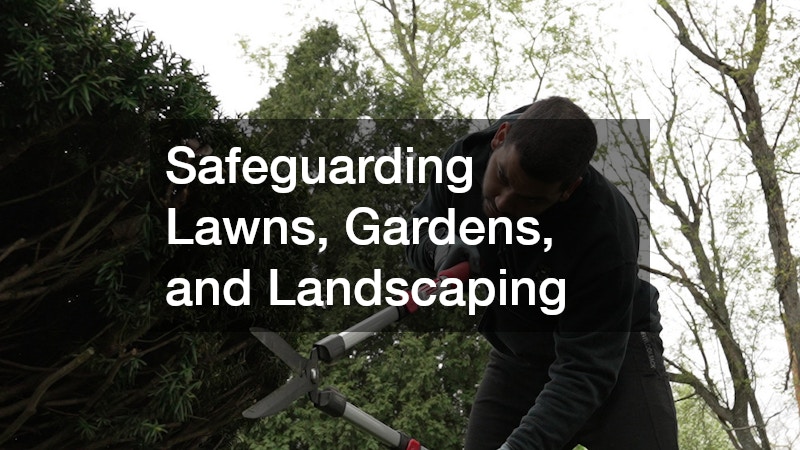
Heavy machinery and repeated foot traffic are among the biggest threats to a healthy lawn during construction. Compacted soil can suffocate grassroots, leading to bare patches that take months to recover, and in severe cases, soil compaction can persist for years without proper aeration afterward. Laying down plywood sheets or temporary construction mats along common walking paths helps distribute weight and prevent long-term soil damage.
For flower beds, shrubs, and young trees near the work zone, consider building simple barriers using stakes and burlap or orange safety fencing to keep workers and equipment at a safe distance. Root systems within 10-15 feet of a construction path are especially vulnerable to accidental scraping or crushing.
If excavation or heavy equipment access is unavoidable near mature trees, wrapping trunks in protective padding and marking a “no-entry” radius around the drip line can prevent lasting damage. Taking these precautions before work begins is far cheaper than replacing established landscaping once the project is complete.
Mature trees and shrubs also deserve special attention, especially if equipment or materials will be stored nearby. Root systems can be damaged by soil compaction or accidental digging, sometimes without any visible symptoms until months later. A single afternoon of heavy trucks parked over a root zone can compact soil enough to restrict oxygen and water flow for years to come.
As a general guideline, try to keep equipment and material stacks at least as far from the trunk as the tree’s drip line, or roughly one foot of clearance for every inch of trunk diameter. This buffer protects the fine feeder roots that do most of the work absorbing water and nutrients.
Consulting a professional who specializes in tree care before construction begins can help you install protective barriers, mulch buffers, or root zone fencing to keep valuable trees healthy throughout the project. Many arborists can also recommend deep watering schedules or soil aeration treatments to help trees recover from any incidental stress once the renovation wraps up.
- Lay plywood sheets or interlocking mats along high-traffic paths to protect grass from ruts and soil compaction
- Fence off garden beds and root zones with stakes or temporary barriers before heavy equipment arrives on site
- Extend protective barriers at least 3-5 feet beyond tree canopies to shield root systems from vehicle weight
- Rinse dust off leaves regularly with a garden hose if construction debris settles on foliage, ideally every few days
- Water landscaping a bit more frequently during dry, dusty phases of the project to offset added plant stress
- Ask your contractor about temporary irrigation adjustments if sprinkler lines are disrupted or capped off
- Mark sprinkler heads and shallow utility lines clearly so crews don’t accidentally damage them with equipment
Protecting Driveways, Walkways, and Hardscaping
Concrete, pavers, and asphalt can crack or stain under the weight of delivery trucks, dumpsters, and portable toilets. Placing plywood, rubber mats, or steel plates under heavy equipment distributes the load and reduces the risk of surface damage. It is also worth asking your contractor where dumpsters and material pallets will sit, since prolonged exposure to certain chemicals or oils can leave permanent stains.
Walkways near the work zone should be kept clear of debris and tools to prevent trip hazards and unnecessary scuffing. Simple measures like laying down drop cloths or temporary carpet runners on high-traffic hardscaping can go a long way in preserving their appearance. If a large project involves multiple contractors coming and going, designating a single approved path helps limit wear across your entire property.
- Use protective boards or mats under dumpsters and heavy equipment
- Keep walkways clear of tools, nails, and construction debris
- Lay drop cloths on decorative pavers or stamped concrete
- Establish one designated path for workers to minimize scattered foot traffic
Shielding Your Roof, Siding, and Windows

Renovations that involve additions, exterior work, or even interior demolition can send debris flying toward your roof and siding. Falling shingles, dust, or dropped tools can chip paint, dent gutters, or crack windows if precautions are not taken. Covering windows with plywood or heavy tarps and installing temporary gutter guards can prevent costly cosmetic damage during the noisiest phases of construction.
If your renovation includes any roof-related work, hiring an experienced roofing contractor to inspect the structure beforehand is a smart move, even if the roof itself is not part of the project. They can identify weak spots or aging shingles that might not withstand vibrations from nearby construction. A quick pre-project assessment can prevent minor issues from turning into leaks once the work is complete.
- Cover windows and vulnerable siding sections with protective sheeting
- Install temporary gutter guards to catch falling debris
- Schedule a roof inspection before major construction begins
- Ask about tarping options if roofing materials will be stored on-site
Managing Debris, Dust, and Daily Cleanup
Ongoing dust and scattered debris are inevitable during major renovations, but a clear cleanup plan keeps them from causing lasting damage. Ask your contractor how often debris will be cleared, where dumpsters will be emptied, and whether daily sweeping is included in their process. Leftover nails, wood scraps, or drywall dust left outside for days can stain surfaces or create safety hazards for children and pets.
Wind can carry lightweight debris like insulation or packaging materials into neighboring yards, so securing loose materials at the end of each workday matters. A simple checklist shared with your crew can help maintain consistency, especially on larger projects with multiple subcontractors rotating through the site.
- Set clear expectations for daily cleanup and debris removal
- Secure loose materials before crews leave for the day
- Sweep walkways and driveways regularly to prevent staining
- Check that dumpsters are covered during windy or rainy weather
Protecting your exterior during a major renovation comes down to preparation, clear communication, and consistent follow-through. By documenting your property beforehand, safeguarding landscaping, and protecting hardscaping and rooflines, you can avoid many of the common headaches that come with construction projects. Take the time to discuss these protective measures with your contractor before work begins, and check in regularly as the project progresses. A little planning now can help your home look just as good outside as it does inside once the renovation is complete.