
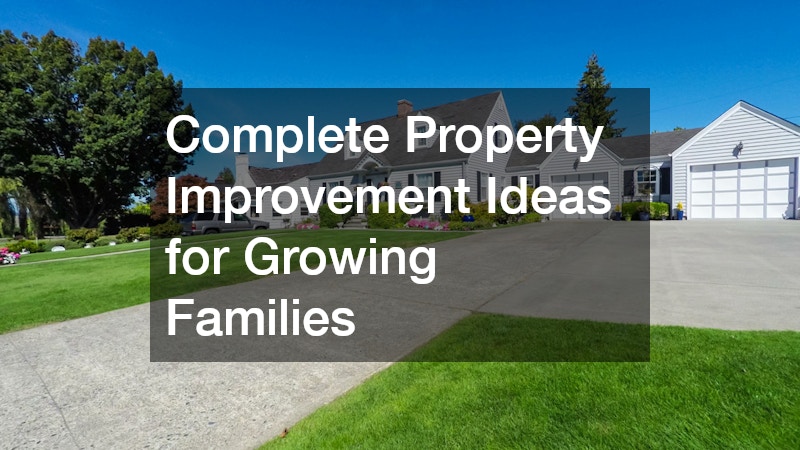
As families grow, homes often begin to feel smaller, busier, and less efficient. What once worked perfectly for a couple or small family may no longer support changing routines, additional storage needs, remote work, entertaining, or children’s activities. Instead of moving to a new property, many homeowners are choosing to improve their current homes to better match their lifestyles.
Thoughtful upgrades can dramatically improve comfort, safety, functionality, and long-term property value. From improving shared living spaces to creating safer outdoor areas and increasing energy efficiency, strategic improvements help families enjoy their homes more while preparing for future needs.
This guide explores practical, valuable ideas to help growing households create a more functional, comfortable environment for everyday life.
Create Flexible Living Spaces for Changing Family Needs
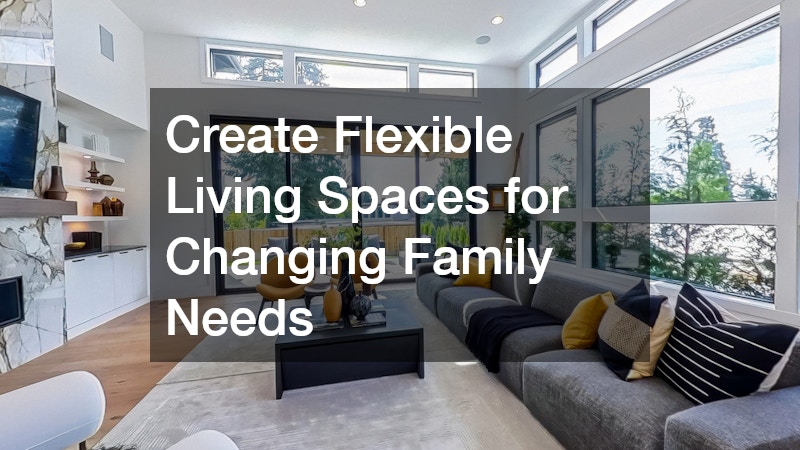
One of the biggest challenges growing families face is limited usable space. Rooms that once seemed large enough can quickly become overcrowded as children grow older, hobbies expand, and storage needs increase. Flexible living spaces help homeowners maximize every square foot without making the home feel cramped.
Many families are now transforming unused or underused areas into multi-functional rooms. Basements, attics, spare bedrooms, and bonus rooms can become valuable extensions of the home when designed thoughtfully.
A home remodeling contractor can help homeowners redesign layouts that better support modern family life. Open-concept kitchens, larger living areas, and additional storage solutions often improve daily convenience while increasing resale value.
Some practical room transformation ideas include:
- Turning a spare room into a shared study and homework area
- Converting unfinished basements into family entertainment spaces
- Adding built-in shelves and cabinets to reduce clutter
- Creating a combination of guest room and office spaces
- Installing sliding doors or partitions for privacy when needed
When planning a remodel, flexibility should remain a top priority. Children’s needs change quickly, so designing adaptable spaces helps avoid future renovations.
Families should also think about traffic flow throughout the home. Crowded hallways, limited seating areas, and poorly organized storage can create stress during busy mornings and evenings. Wider walkways, mudrooms, and organized entry areas can significantly improve functionality.
Important considerations during renovations include:
- Durable flooring that withstands heavy daily use
- Washable paint finishes for easier cleaning
- Ample lighting in work and study areas
- Sound-reducing materials between shared spaces
- Easy-to-maintain furniture and finishes
Creating flexible living spaces allows homes to evolve alongside the family, rather than becoming outdated or inconvenient.
Improve Structural Protection Before Major Interior Upgrades
Before investing in cosmetic improvements, homeowners should focus on protecting the home’s structure. Exterior issues can quietly cause significant interior damage if left unchecked for too long.
Roof problems are among the most common concerns for growing families because water damage can affect insulation, ceilings, walls, flooring, and even indoor air quality. Working with a roofing contractor early can help identify small problems before they become expensive emergencies.
Common warning signs include:
- Missing or curling shingles
- Water stains on ceilings
- Drafts in upper rooms
- Mold or mildew odors
- Sagging rooflines
- Increased energy bills
Many homeowners make the mistake of focusing only on visible upgrades while neglecting foundational repairs. However, improving the home’s exterior protection should always come first.
Preventive maintenance can help families avoid sudden disruptions and expensive repairs later. Seasonal inspections and routine upkeep often extend the lifespan of roofing materials and improve energy efficiency.
Homeowners should also inspect:
- Gutters and drainage systems
- Exterior siding
- Windows and seals
- Attic ventilation
- Foundation cracks
Addressing structural concerns before remodeling protects new investments and creates a safer indoor environment for children and guests.
Long-term planning is especially important for family homes because daily wear and tear tends to increase with larger households. Moisture control, insulation improvements, and ventilation upgrades all contribute to a healthier and more durable living environment.
Make Outdoor Areas Safer and More Functional
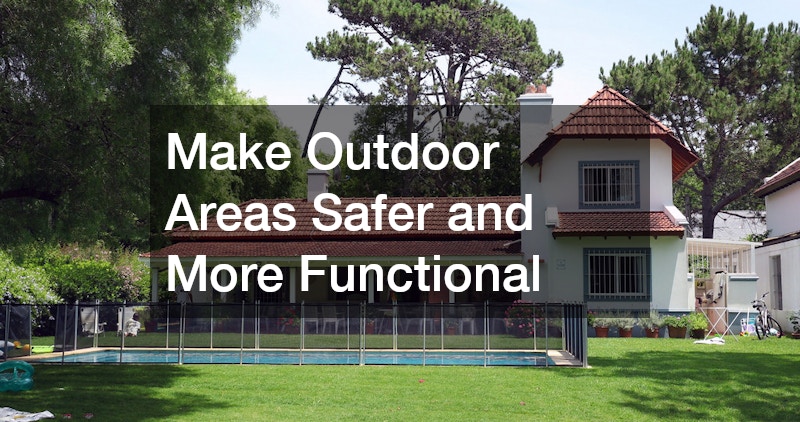
Outdoor spaces often become extensions of the home for growing families. Backyards provide opportunities for exercise, relaxation, entertainment, and social gatherings. However, many outdoor areas are underutilized because they lack organization, privacy, or safety features.
A landscape contractor can help homeowners create outdoor environments that are both functional and visually appealing. Well-designed landscapes improve curb appeal while making outdoor areas easier to maintain.
Some family-friendly landscaping ideas include:
- Installing low-maintenance plants and ground cover
- Creating designated play areas for children
- Improving drainage to eliminate muddy spots
- Adding shaded seating areas
- Building walking paths and gathering spaces
- Installing outdoor lighting for nighttime safety
Families should prioritize layouts that encourage activity while minimizing hazards. Open sightlines help parents supervise children more easily, while proper lighting improves visibility during evening activities.
Privacy and security are equally important for busy households. A fence company can help install durable fencing that creates safer boundaries for children and pets while enhancing the property’s overall appearance.
Popular fencing options include:
- Vinyl fencing for low maintenance
- Wood fencing for natural aesthetics
- Aluminum fencing for durability
- Privacy fencing for backyard seclusion
When selecting fencing materials, homeowners should consider:
- Long-term maintenance requirements
- Local weather conditions
- Security needs
- HOA restrictions
- Overall landscaping style
Well-planned outdoor improvements create more usable living space while encouraging families to spend more time together outdoors.
Upgrade Kitchens and Bathrooms for Busy Households
Kitchens and bathrooms often experience the heaviest daily traffic in family homes. As households grow, these spaces can quickly become inefficient and overcrowded.
Improving organization, storage, and functionality in these areas can dramatically reduce stress during busy routines.
Kitchen upgrades that improve convenience include:
- Larger kitchen islands for meal preparation
- Pull-out pantry shelves
- Deep drawers for cookware storage
- Double sinks for multitasking
- Durable countertops that resist stains and scratches
- Additional seating for family gatherings
Bathrooms also benefit from strategic upgrades that improve efficiency for multiple users.
Helpful bathroom improvements include:
- Double vanities
- Walk-in showers
- Better ventilation systems
- Additional linen storage
- Slip-resistant flooring
- Touchless faucets for hygiene
Older plumbing systems may struggle to keep up with the demands of larger households. Experienced plumbers can inspect existing systems and recommend upgrades that improve water flow, efficiency, and reliability.
Common plumbing upgrades include:
- Replacing outdated pipes
- Installing water-saving fixtures
- Upgrading water heaters
- Improving drainage systems
- Detecting hidden leaks before renovations begin
Homeowners planning extensive interior changes may also benefit from working with providers that offer general contracting services. Coordinating multiple projects through one management team often reduces delays and improves communication throughout the renovation process.
Families should prioritize practical upgrades that simplify daily life rather than focusing solely on aesthetics. Functional improvements tend to deliver greater long-term value while improving everyday comfort.
Improve Comfort and Energy Efficiency Throughout the Home
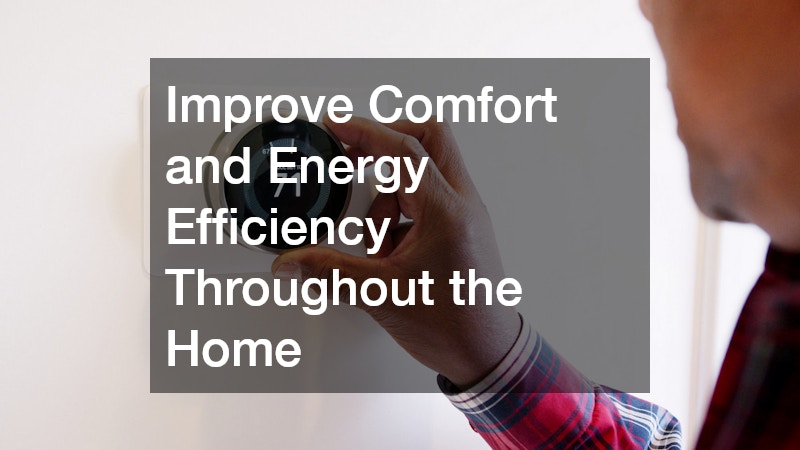
Comfort plays a major role in creating a healthy and enjoyable living environment for growing families. Poor indoor temperatures, inconsistent airflow, and outdated systems can make homes uncomfortable and expensive to maintain.
An HVAC contractor can evaluate heating and cooling systems to identify opportunities for better efficiency and performance. Modern systems often provide more consistent temperatures, cleaner indoor air, and lower energy costs.
Some signs that systems may need attention include:
- Uneven temperatures between rooms
- Frequent repairs
- Excessive indoor humidity
- Rising utility bills
- Poor airflow
- Unusual noises
Energy-efficient improvements can make homes more comfortable year-round while reducing long-term expenses.
Helpful upgrades include:
- Smart thermostats
- Improved insulation
- Energy-efficient windows
- Air sealing around doors and vents
- Zoned heating and cooling systems
- Whole-home air purification systems
Electrical systems should also be evaluated during major renovations. Older wiring may not support modern appliances, home offices, entertainment systems, or additional lighting needs.
Professional electrical installation services help ensure homes remain safe and capable of supporting increased power demands.
Common electrical improvements include:
- Upgraded breaker panels
- Additional outlets in busy rooms
- USB charging stations
- Outdoor lighting systems
- Recessed lighting
- Backup generator connections
Safety should always remain the top priority when updating electrical systems, especially in homes with children.
Families may also benefit from integrating smart home technology that improves convenience and efficiency. Motion-sensor lighting, programmable thermostats, and remote-controlled security systems can simplify daily routines while improving safety.
Plan High-Value Renovations With Long-Term Goals in Mind
Some homeowners choose to invest in larger renovations that improve both lifestyle and property value over time. Instead of making temporary fixes, long-term planning allows families to create spaces that continue meeting their needs for years.
Luxury home renovations are increasingly focused on comfort, flexibility, and practicality rather than excessive customization. Modern families often prioritize upgrades that improve daily living while maintaining timeless design appeal.
Examples of valuable long-term upgrades include:
- Expanding primary living areas
- Adding large multi-purpose rooms
- Creating spa-inspired bathrooms
- Installing custom storage systems
- Improving natural lighting
- Building indoor-outdoor living spaces
Planning carefully before starting renovations can prevent unnecessary costs and delays.
Homeowners should establish:
- Realistic budgets
- Clear project priorities
- Timelines for each renovation phase
- Contingency funds for unexpected repairs
- Long-term maintenance expectations
Coordinating multiple projects can quickly become overwhelming without professional oversight. Providers offering general contracting services help manage schedules, subcontractors, permits, inspections, and communication throughout the renovation process.
This coordination becomes especially valuable during large family-focused projects where multiple systems and trades overlap.
Benefits of organized project management include:
- Better scheduling efficiency
- Reduced construction delays
- Improved budget tracking
- Clear communication between contractors
- Faster issue resolution
Families should also avoid overly trendy design choices that may become outdated quickly. Neutral finishes, durable materials, and adaptable layouts typically provide the best long-term value.
Add Recreational Features That Support Family Time
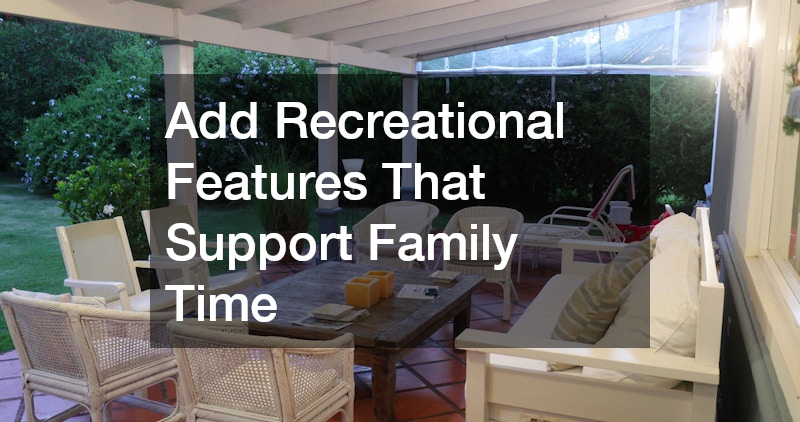
Recreational upgrades can make homes more enjoyable while encouraging quality time together. Outdoor gathering areas often become central spaces for relaxation, celebrations, and family activities.
Patios, decks, fire pits, and outdoor kitchens are popular additions that improve functionality and entertainment potential.
Some practical outdoor gathering improvements include:
- Covered seating areas for shade
- Outdoor dining spaces
- Weather-resistant furniture
- Built-in storage for outdoor equipment
- Multi-level patios for better organization
- Landscape lighting for evening use
Water features are another popular addition for growing families. A pool contractor can help homeowners design pools that prioritize both recreation and safety.
Before installing a pool, families should carefully evaluate:
- Available yard space
- Ongoing maintenance costs
- Safety requirements
- Fence and gate regulations
- Long-term operating expenses
Family-friendly pool features may include:
- Shallow play areas
- Slip-resistant surfaces
- Automatic safety covers
- Energy-efficient filtration systems
- Secure entry gates
- LED lighting for visibility
Homeowners should also think about how recreational upgrades integrate with the overall property design. Functional layouts improve movement between indoor and outdoor spaces while making entertaining easier.
Maintenance planning is equally important. Features that require excessive upkeep may become burdensome over time, especially for busy households.
Choosing durable materials and practical designs helps ensure outdoor improvements remain enjoyable for years to come.
Budgeting Tips for Large Family-Focused Improvements
Home improvement projects can become expensive quickly without careful planning. Families should approach renovations strategically to avoid financial stress and unexpected setbacks.
One of the best ways to manage costs is by separating essential repairs from optional upgrades.
Essential projects often include:
- Structural repairs
- Roofing improvements
- Plumbing upgrades
- Electrical safety updates
- Heating and cooling repairs
Lifestyle upgrades may include:
- Cosmetic remodels
- Outdoor entertainment features
- Decorative finishes
- Luxury additions
Prioritizing repairs first helps protect the home while reducing the risk of future emergencies.
Families should also create phased renovation plans when budgets are limited. Completing projects gradually often allows homeowners to maintain better financial control without sacrificing long-term goals.
Helpful budgeting strategies include:
- Collecting multiple contractor estimates
- Building emergency funds into project budgets
- Researching financing options carefully
- Tracking expenses throughout renovations
- Purchasing durable materials that reduce future repairs
Unexpected expenses are common during major renovations, especially in older homes. Hidden water damage, outdated wiring, and structural problems may only become visible once construction begins.
To reduce surprises, homeowners should:
- Schedule thorough inspections before renovations
- Ask contractors detailed questions
- Review contracts carefully
- Clarify warranty coverage
- Understand permit requirements
Families should also consider how renovations may temporarily disrupt daily routines. Planning ahead for noise, limited access to rooms, or temporary relocations can reduce stress during large projects.
Long-term planning helps families make smarter financial decisions while creating homes that better support their evolving needs.
Improving a home for a growing family involves much more than cosmetic updates. Strategic renovations can improve comfort, safety, organization, efficiency, and overall quality of life. By focusing on functional upgrades that support changing routines and future needs, homeowners can create spaces that remain practical and enjoyable for many years.
Whether upgrading indoor living areas, improving outdoor spaces, increasing energy efficiency, or planning larger renovations, thoughtful improvements help families maximize the value and functionality of their homes. Careful planning, realistic budgeting, and prioritizing long-term goals can make the renovation process smoother and more rewarding.
With the right approach, families can transform their homes into flexible, comfortable spaces that continue supporting their lifestyles as their needs evolve over time.