
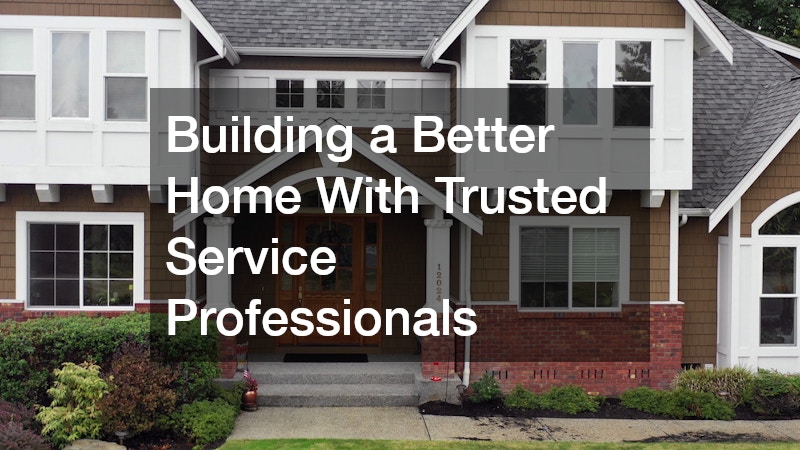
A home is one of the most significant investments most people will ever make. Whether you are planning small upgrades or major renovations, the quality of the work completed today can affect your property’s comfort, safety, efficiency, and value for years to come. While many homeowners focus on selecting materials and finishes, choosing the right professionals is often the factor that determines whether a project succeeds or becomes a costly headache.
Every home improvement project involves decisions about budgeting, scheduling, design, maintenance, and long-term performance. Trusted professionals bring expertise that helps homeowners avoid common mistakes, identify potential issues before they become costly problems, and complete projects in accordance with industry standards.
Building a better home is not simply about making cosmetic improvements. It involves creating a property that functions well, protects your family, and supports your lifestyle. By approaching upgrades strategically and partnering with qualified experts, homeowners can make informed decisions that produce lasting results.
Start With a Comprehensive Home Assessment Before Investing
Before committing to any renovation project, it is important to evaluate your property’s overall condition. Many homeowners become excited about visual upgrades but overlook underlying issues that may need attention first.
A thorough home assessment helps identify priorities and ensures that improvement dollars are spent wisely. It also allows homeowners to create a realistic timeline for projects that may need to be completed in phases.
Some of the areas worth evaluating include:
- Structural integrity
- Roof condition
- Exterior siding
- Plumbing systems
- HVAC performance
- Flooring condition
- Kitchen functionality
- Driveways and walkways
- Outdoor living spaces
- Property drainage
By identifying strengths and weaknesses throughout the property, homeowners can better determine which improvements should come first.
Identify the Improvements That Deliver the Highest Return
Not every project offers the same value. Some improvements increase comfort and efficiency immediately, while others contribute to long-term resale potential.
When evaluating projects, consider:
- Current maintenance concerns
- Energy efficiency opportunities
- Safety improvements
- Functional limitations
- Aesthetic upgrades
- Potential return on investment
Projects that address aging infrastructure often provide benefits beyond appearance. Replacing outdated systems can reduce future repair costs and improve daily living conditions.
Creating a written improvement plan can help homeowners avoid making impulsive decisions that may interfere with future renovation goals.
Build a Reliable Team for Indoor Upgrades
Interior renovations often involve multiple trades working together. Hiring experienced professionals can help ensure projects remain on schedule and within budget.
When planning kitchen renovations, many homeowners work with local countertop contractors who can recommend materials that fit both lifestyle needs and design preferences. The right surface selection can improve durability, maintenance requirements, and overall appearance.
Flooring projects require similar attention to detail. Experienced flooring contractors can help homeowners select materials based on traffic levels, moisture exposure, maintenance requirements, and budget considerations.
When evaluating potential providers, consider:
- Years of experience
- Portfolio of completed work
- Customer reviews
- Licensing requirements
- Insurance coverage
- Material warranties
Questions worth asking include:
- What preparation work is required?
- How long will installation take?
- What maintenance is recommended?
- Are warranties available?
- How should homeowners prepare the space?
A carefully selected team creates a stronger foundation for successful renovations throughout the home.
Protect Your Home’s Exterior From Weather and Wear

The exterior of a home serves as the first line of defense against environmental conditions. Rain, wind, snow, heat, and humidity can all contribute to gradual deterioration if exterior systems are not properly maintained.
Regular inspections allow homeowners to identify issues early and reduce the likelihood of expensive repairs later.
Common warning signs include:
- Missing shingles
- Cracked siding
- Water stains
- Mold growth
- Peeling paint
- Drafts around windows
- Increased energy bills
Addressing these concerns promptly can prevent damage from spreading to other areas of the property.
Focus on the Areas That Defend Your Home Year-Round
The roof and exterior walls play a critical role in protecting a home’s structure. Damage to either area can allow moisture infiltration, leading to rot, mold, and costly repairs.
Routine inspections should focus on:
- Roof condition
- Flashing performance
- Gutters and downspouts
- Exterior wall integrity
- Window seals
- Door seals
Many homeowners schedule annual inspections to identify developing problems before severe weather seasons arrive.
Preventive maintenance often costs significantly less than emergency repairs.
Verify Licensing, Insurance, and Workmanship Standards
Choosing qualified professionals is especially important when addressing exterior systems.
Experienced roofing contractors understand proper installation methods, ventilation requirements, flashing techniques, and local building codes. Their expertise helps ensure that roofing systems perform as intended throughout their expected lifespan.
Similarly, selecting a reputable siding contractor can make a substantial difference in both appearance and long-term durability.
Working with qualified professionals helps homeowners avoid shortcuts that may lead to premature failures and expensive future repairs.
Improve Comfort, Efficiency, and Essential Home Systems
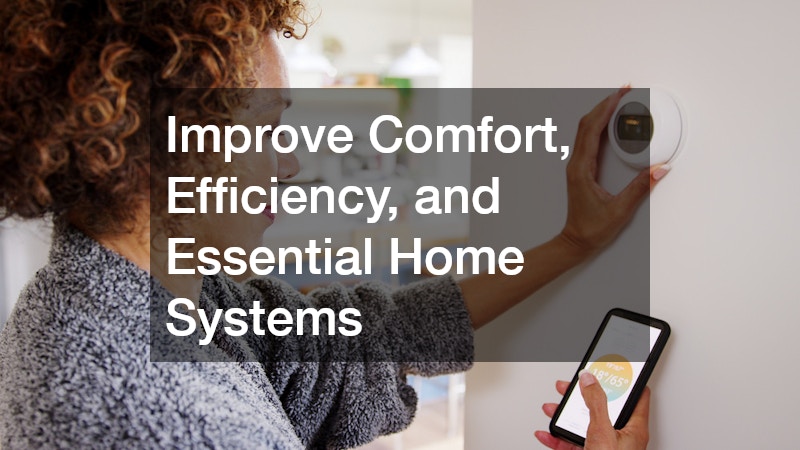
Many of the most important components of a home operate behind walls, beneath floors, or in mechanical rooms. Because these systems are not always visible, homeowners sometimes delay maintenance until a major problem occurs.
A proactive approach can help avoid disruptions while improving comfort and efficiency.
Address Hidden Issues Before They Become Costly Emergencies
Small warning signs often indicate larger underlying concerns.
Examples include:
- Slow drains
- Inconsistent water pressure
- Uneven indoor temperatures
- Frequent HVAC cycling
- Rising utility bills
- Unusual odors
- Water stains
Ignoring these issues can lead to minor problems becoming significant repairs.
Routine inspections and maintenance visits can identify potential concerns before they escalate.
Homeowners who establish maintenance schedules often experience:
- Fewer emergency repairs
- Improved system performance
- Lower operating costs
- Extended equipment lifespan
- Better indoor comfort
Prioritize Professionals Who Offer Long-Term Solutions
Water and climate control systems require specialized expertise. Rather than focusing solely on immediate fixes, homeowners should seek professionals who provide long-term recommendations.
Experienced plumbers can evaluate entire systems rather than addressing only visible symptoms. This broader perspective helps identify aging pipes, drainage concerns, fixture inefficiencies, and hidden leaks that may otherwise go unnoticed.
Heating and cooling systems deserve similar attention. Qualified HVAC contractors can assess equipment efficiency, ductwork performance, air quality concerns, and overall system reliability.
Investing in ongoing maintenance often reduces operating costs while improving comfort year-round.
Enhance Outdoor Living Spaces With Purposeful Improvements
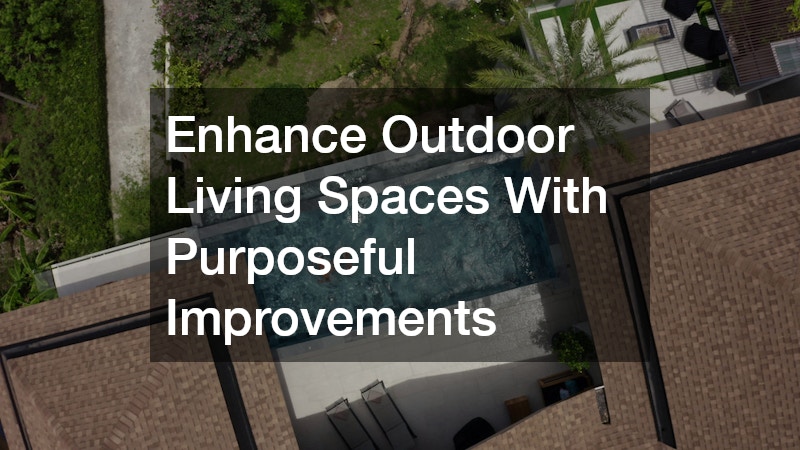
Outdoor spaces have become increasingly important to homeowners seeking additional areas for relaxation, entertainment, and recreation. Thoughtful improvements can significantly enhance both enjoyment and property value.
However, successful outdoor projects require careful planning and coordination.
Design Outdoor Areas That Balance Function and Enjoyment
Before beginning any project, homeowners should evaluate how outdoor spaces will actually be used.
Questions to consider include:
- Will the area primarily support entertaining?
- Is family recreation a priority?
- Are privacy concerns important?
- What maintenance level is acceptable?
- How will future needs change?
Answering these questions can help guide design decisions and budget allocations.
A well-designed outdoor environment often includes multiple functional zones that support different activities while maintaining a cohesive appearance.
Coordinate Projects for a Cohesive Property Design
Large outdoor projects often involve multiple contractors and overlapping schedules. Careful planning helps ensure that improvements complement one another.
Homeowners considering recreational upgrades frequently work with a pool contractor to develop designs that fit available space, budget limitations, and long-term maintenance expectations.
Privacy and security are also common priorities. A qualified fence contractor can help homeowners select materials and designs that align with neighborhood aesthetics while providing desired functionality.
Coordinating outdoor improvements under a unified plan often produces better results than completing projects independently over time.
Increase Curb Appeal and Long-Term Property Value
First impressions matter. The appearance of a property influences not only how visitors perceive a home but also how potential buyers evaluate its value.
Fortunately, some of the most impactful improvements are relatively straightforward when planned carefully.
Make Smart Investments That Improve First Impressions
Improving curb appeal involves more than cosmetic enhancements. The most effective upgrades balance aesthetics with functionality and durability.
Areas that commonly influence first impressions include:
- Exterior paint
- Landscaping
- Driveways
- Walkways
- Fencing
- Lighting
- Entryways
Homeowners should focus on improvements that create a cohesive appearance across the property.
Consistency in materials, colors, and design elements often produces a more polished result than isolated upgrades.
Focus on Finishing Touches That Deliver Lasting Results
A fresh appearance can dramatically improve how a home looks and feels. Experienced painting contractors can help homeowners select finishes and products that withstand environmental conditions while complementing existing architectural features.
Driveways and access areas also contribute significantly to both appearance and functionality. Residential asphalt paving can improve curb appeal while addressing cracks, drainage issues, uneven surfaces, and safety concerns.
These finishing touches often create a strong visual impact while supporting the property’s long-term performance.
How to Manage Multiple Contractors Successfully
Even the most qualified professionals need effective project coordination to deliver optimal results. Homeowners who actively manage communication and expectations often experience smoother renovations.
A structured approach helps reduce misunderstandings and delays.
Create Clear Expectations From the Beginning
Successful projects start with clear documentation.
Important items to establish include:
- Project scope
- Budget expectations
- Material selections
- Payment schedules
- Timeline milestones
- Communication procedures
Written agreements help ensure all parties understand their responsibilities.
Homeowners should also maintain organized records throughout the project, including contracts, estimates, invoices, warranties, and correspondence.
This documentation can prove valuable if questions arise later.
Monitor Progress Without Micromanaging
While homeowners should remain involved in every stage of a renovation or improvement project, excessive interference can sometimes create unnecessary complications, slow progress, and strain relationships with service professionals. Striking the right balance between oversight and trust is key to ensuring a smooth and efficient workflow.
Instead, focus on structured involvement that keeps the project on track without disrupting on-site daily operations. This approach helps maintain accountability while allowing experienced professionals to do their work effectively.
A practical way to stay engaged includes:
- Scheduled progress meetings
- Regular walkthroughs
- Timely decision-making
- Clear communication
- Documentation of changes
Scheduled meetings provide a consistent opportunity to review updates, discuss challenges, and confirm upcoming tasks. Walkthroughs allow homeowners to visually assess progress and ensure the work aligns with expectations. However, these should be planned rather than spontaneous interruptions, which can disrupt workflow and reduce productivity.
Timely decision-making is especially important in preventing delays. Many renovation projects stall simply because selections or approvals are not provided quickly enough. Keeping communication channels open and responding promptly helps maintain momentum.
When concerns arise, address them promptly and professionally. Avoid letting small issues build into larger frustrations. Instead, document the concern, discuss it calmly with the appropriate contractor, and agree on a clear resolution path.
Effective project management often involves:
- Confirming milestones
- Reviewing completed work
- Verifying material deliveries
- Monitoring budget performance
- Updating schedules as needed
Each of these steps ensures transparency and helps maintain alignment between expectations and actual progress. Milestones serve as checkpoints to confirm that the project is moving in the right direction, while material verification prevents delays caused by incorrect or missing supplies. Budget monitoring is equally important, as it helps avoid unexpected overruns that can impact later phases of the project.
Building positive relationships with service professionals encourages collaboration and helps maintain momentum throughout the project. When contractors feel trusted and respected, they are more likely to communicate openly, flag potential issues early, and go the extra mile to ensure quality results. Over time, this cooperative approach leads to better workmanship, fewer misunderstandings, and a more successful overall outcome.
Creating a better home requires more than selecting attractive materials or following the latest design trends. Long-lasting results depend on careful planning, thoughtful prioritization, and the expertise of qualified professionals who understand how different systems and improvements work together.
From structural protection and mechanical systems to outdoor living spaces and aesthetic enhancements, every project contributes to a property’s overall performance and value. Homeowners who take the time to evaluate their needs, research providers, and coordinate improvements strategically are better positioned to achieve successful outcomes.
By investing in quality workmanship, maintaining open communication, and focusing on long-term value rather than short-term convenience, homeowners can create living spaces that remain comfortable, functional, and appealing for years to come. A trusted network of experienced professionals can help support that goal, ensuring each improvement strengthens the home and protects one of life’s most important investments.