

A major renovation can transform your home, but it also opens the door to unique security and safety risks you might not expect. Open walls, temporary entry points, and constant foot traffic from contractors create vulnerabilities that homeowners rarely think about until something goes wrong. Whether you are adding a room, redoing your kitchen, or tackling a whole-house overhaul, protecting your property, your family, and your investment should be part of the plan from day one. This guide walks through the practical steps that keep your home secure, functional, and livable while the work gets done.
Assessing Your Home Before the First Wall Comes Down
Before any demolition begins, walk through your property and identify every point of vulnerability the project will create. Think about which doors will be removed, which windows will be left open overnight, and where materials and tools will be stored on site. Note any load-bearing walls coming down, temporary openings that will exist between phases, and how long each vulnerable stage is expected to last.
Walk the perimeter as well as the interior, checking sightlines from the street and from neighboring properties. A missing front door or a plastic-sheeted window opening is an obvious invitation, but so is a side gate left unlocked because crews need quick access to a dumpster. Make a simple list or sketch marking each entry point, expected date it becomes exposed, and who is responsible for securing it at day’s end.
Consider valuables and hazards beyond just entry points: expensive fixtures awaiting installation, power tools left overnight, and exposed wiring or plumbing that could pose safety risks to curious kids or animals. Factor in delivery schedules too, since a pallet of lumber or new appliances sitting in the driveway for a weekend is its own security concern. This early assessment helps you and your contractor build a security plan that fits the actual scope of work rather than a generic checklist.
It also helps to document the existing condition of your home with photos and notes, especially around areas that will be affected by construction. Walk through every room bordering the work zone and photograph floors, walls, ceilings, trim, and fixtures from multiple angles, noting any existing cracks, scuffs, or water stains. A short video walkthrough, narrated with the date and room names, can capture details that still photos miss.
This record can protect you if disputes arise about pre-existing damage versus new damage caused during the renovation. Share copies with your contractor before work begins and keep them alongside your homeowner’s insurance policy, since many claims hinge on proving when damage actually occurred. Timestamped, cloud-backed photos carry more weight than memory alone.
Many homeowners skip this step and regret it later when insurance claims or contractor disagreements come up. Even a simple folder of dated images, organized by room, can save weeks of back-and-forth over who’s responsible for a cracked tile or a dented doorframe. Ten minutes of documentation upfront is a small price compared to the cost of an unresolved dispute.
Controlling Who Comes and Goes During Construction
Renovation sites naturally attract a rotating cast of workers, delivery drivers, and subcontractors, which makes it harder to know who is actually supposed to be on your property at any given time. This is where access control installation becomes a genuinely practical solution rather than an overkill security measure. A simple keypad or smart lock system on temporary entry points lets you track who enters and exits without having to hand out physical keys that can get lost or duplicated.
- Use temporary smart locks on side doors or garage entries used by crews
- Assign unique codes to different subcontractors so entry can be traced
- Disable access codes immediately once a phase of work is complete
- Pair entry systems with a video doorbell for an added layer of visibility
Protecting Structural Areas During Foundation and Grading Work
Projects that involve digging, grading, or foundation changes carry extra risk because they affect the very stability of your home. If your renovation includes basement work, hiring an experienced basement contractor matters not just for the quality of the finished space but for keeping the surrounding structure safe during construction. Look for a contractor who explains their shoring and waterproofing plan clearly before work begins, since unexpected water intrusion is one of the most common issues during basement remodels.
Similarly, if your project involves changes to sloped yards or property lines, retaining wall contractors should be brought in early rather than as an afterthought. Poorly planned excavation near a slope can lead to erosion, drainage problems, or even collapse if the wrong crew handles it. Getting a proper engineering assessment before grading work starts can save you from costly repairs down the road.
Securing Open Windows and Doors Mid-Project

Renovations often leave window and door openings exposed for days or weeks at a time, especially when old units are removed before replacements arrive. This gap is a real security and weather risk, so it is worth coordinating closely with your impact windows and doors installer to minimize how long any opening sits unprotected. Scheduling deliveries so that removal and installation happen in tight succession reduces the window of vulnerability significantly.
In climates prone to storms, temporary boarding or heavy-duty tarps should be used any time an opening will be left overnight. It is also wise to confirm with your installer what temporary security measures they recommend between phases. A few extra precautions here can prevent both break-ins and water damage that would set your project back further.
Protecting Your Roof and Exterior Walls

Exterior work exposes your home to the elements in ways that go beyond just the immediate work area. A qualified roofing contractor should always have a plan for covering exposed sections at the end of each workday, particularly during seasons with unpredictable weather. Ask about their tarping and debris containment process before signing any contract, since a poorly secured roof can lead to interior water damage that costs far more than the original repair.
If your renovation involves a larger property with a storefront or mixed-use structure, protecting the commercial building facade during construction requires its own set of precautions. Scaffolding, temporary barriers, and signage should be used to keep both pedestrians and the structure safe while work is underway. Facade damage during renovations is often preventable with proper planning around material staging and equipment placement.
- Use weighted tarps or temporary sheeting on any exposed roof sections
- Install scaffolding with safety netting where facades are exposed to the street
- Keep walkways clear of debris to prevent injury or liability issues
- Schedule exterior work around forecasted weather whenever possible
Keeping Essential Home Systems Running Safely
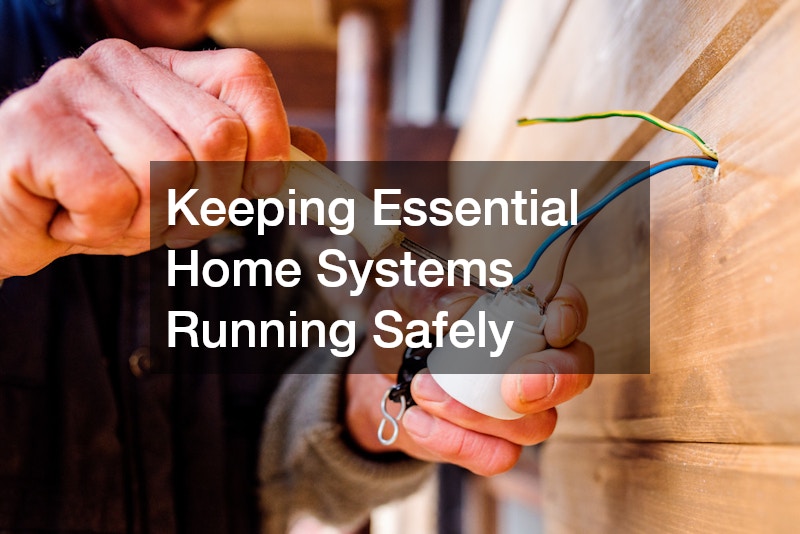
Renovations frequently involve temporary disconnections or rewiring of electrical and cooling systems, which can leave your home uncomfortable or even unsafe if not managed carefully. Bringing in local electricians who understand renovation timelines helps ensure that temporary wiring is done to code and that permanent systems are restored properly once work is complete. This is especially important if your project involves opening up walls where old wiring may be outdated or improperly insulated.
Cooling systems can also take a hit during construction, particularly if ductwork is being modified or units are temporarily disconnected. Scheduling ac repair before major renovation work begins ensures your system is in good working order and less likely to fail under the added strain of dust, debris, or altered airflow. It is far easier to address a small issue proactively than to deal with a full system breakdown mid-project.
Maintaining Your Property’s Exterior Appearance

While the inside of your home may be in complete disarray during a renovation, the outside of your property still matters, especially if you are trying to sell soon after the project or simply want to avoid neighborhood complaints. Keeping up with a lawn fertilizing service during construction helps your yard recover from the added foot traffic and equipment that often damages grass and soil. A well-maintained lawn also signals to passersby that the property is cared for, which can discourage opportunistic trespassing.
Construction debris and heavy machinery can compact soil and kill grass in high-traffic areas, so it helps to designate specific pathways for workers and equipment rather than letting them wander freely across the yard. Laying down protective boards or mats in these zones can reduce long-term damage. Once construction wraps up, a fertilizing and reseeding plan will help your landscaping bounce back faster.
Choosing a Renovation Team That Prioritizes Security
The people you hire have as much influence over your home’s security as any lock or camera system. Reputable home remodelers should be willing to discuss their site security protocols, including how they handle tool storage, site access, and cleanup at the end of each day.
During the bidding process, ask specific questions: Do they lock up power tools and equipment overnight, or leave them accessible in an open garage or yard? How do they control who enters your home—do subcontractors sign in, wear identifiable badges, or need approval before showing up on-site? What’s their process for securing exterior openings, like removed doors or windows, once work stops for the day?
A contractor who answers these questions confidently, perhaps referencing a written site safety plan or specific end-of-day checklist, is signaling that security is built into their standard operations. One who shrugs off the question or gives vague answers may treat it as an afterthought, leaving your home vulnerable during vulnerable stages of the project.
- Ask for references specifically about how past job sites were secured, and call at least two or three homeowners directly rather than relying on written testimonials
- Confirm whether the team locks up tools and materials overnight, or uses a lockable storage box, trailer, or designated room for valuables like copper pipe and appliances
- Check that all workers and subcontractors are properly vetted, including background checks, and confirm liability and workers’ comp insurance covers at least $1-2 million
- Ask how the crew controls site access during work hours, such as sign-in logs, ID badges, or restricting entry to one designated door
- Request a clear daily cleanup and lockup routine as part of the contract, including who is responsible for securing windows, doors, and temporary barriers each evening
- Clarify how the team handles keys or entry codes to your home, and whether they’re collected and tracked at the end of each shift
- Find out if the company carries security-specific policies, like requiring dumpsters and scaffolding to be positioned away from easy climb points
Final Safety Checks Before, During, and After the Project
Throughout the renovation, it helps to do periodic walk-throughs — ideally at the start and end of each workday — to confirm that security measures are still in place and functioning as expected. Locks, temporary barriers, and lighting should be checked regularly, not just set up once and forgotten, since heavy foot traffic and equipment deliveries can loosen hardware or block sensors without anyone noticing.
Pay close attention to points of entry that get used most often, such as side gates, garage doors, or temporary plywood barriers, as these tend to wear out or get propped open during busy work hours. A simple checklist covering locks, cameras, lighting, and fencing can make these inspections faster and more consistent.
This is also a good time to confirm that any temporary access codes or systems are being used correctly by everyone on site. Ask contractors whether codes are shared appropriately, changed periodically, and deactivated promptly once a crew member’s involvement in the project ends.
Security checks shouldn’t wait until the project is finished—they need to happen at three distinct stages. Before work begins, document existing locks, alarm codes, and camera coverage so you have a baseline to compare against later. During construction, spot-check weekly that temporary barriers, lockboxes, and site fencing remain intact, since crews and deliveries can inadvertently leave gates open or props wedged against doors.
Once the project wraps up, do a final walkthrough focused specifically on security rather than just finish quality. Test every exterior door and window to confirm they latch and lock properly, not just that they look installed correctly. Rekey or replace any locks that contractors, subcontractors, or delivery crews had access to during the project, since spare keys have a way of circulating more than homeowners expect.
Check that all temporary access points—plastic sheeting over openings, plywood covers, side-gate propping—have been fully removed and the underlying structures sealed as intended. Confirm permanent locks, deadbolts, and any smart lock hardware have been reinstalled and reconnected to your home network or app. Test your alarm system and cameras to make sure sensors weren’t disconnected or repositioned during drywall work or electrical rewiring.
Finally, walk the exterior perimeter to check for construction debris, ladders, or leftover materials that could give an intruder a boost over a fence or access to a second-story window. This final check gives you peace of mind that your home is just as secure as it was before the project began, if not more so.
Renovating your home does not have to mean compromising its safety or security along the way. By planning ahead, asking the right questions, and working with experienced professionals at each stage, you can protect both your property and your peace of mind throughout the process. Start by walking through your home with a critical eye, identify the vulnerabilities specific to your project, and build your security plan alongside your renovation plan rather than as an afterthought.