

A full exterior renovation is one of the most consequential home improvement projects a homeowner can undertake — and one of the most commonly underestimated. Unlike interior work, the exterior involves interconnected systems: roofing, siding, windows, drainage, insulation, and landscaping. Change one element without considering the others, and you risk spending twice as much to fix problems that coordination would have prevented. Getting this right starts before a single material is purchased or a contractor is hired.
Assess Before You Plan
The single biggest mistake in exterior renovation planning is skipping a thorough condition assessment and jumping straight to aesthetics. A homeowner who replaces siding without first identifying moisture intrusion behind it will find rot and mold within a few years — an expensive outcome that was entirely avoidable.
Start by walking the perimeter and documenting what you find. Look for signs of water damage along the foundation, efflorescence on masonry, peeling paint, soft spots in wood trim, and gaps around windows or doors. On the roof, look for curling shingles, missing flashing, or sagging ridge lines. These aren’t just cosmetic issues — they signal structural and waterproofing failures that must be resolved before surface-level work begins.
A professional inspection at this stage costs between $300 and $600 on average and is worth every dollar. Many homeowners skip it to save money, then discover mid-project that the scope has expanded dramatically. A written inspection report also becomes a negotiating tool when gathering contractor bids.
Prioritize what you find using a simple framework: safety and structural integrity first, weatherproofing and energy performance second, aesthetics third. Anything that threatens the building envelope — the barrier between conditioned interior space and the outside environment — takes precedence over curb appeal.
Set a Realistic Budget and Scope

Exterior renovations have a wide cost range depending on house size, material selection, and regional labor markets. A full exterior overhaul on a mid-size single-family home — including new siding, roof, windows, gutters, and paint — can run anywhere from $40,000 to over $120,000. That range isn’t vague; it reflects real variation in material quality and project complexity.
The decision between budget and premium materials deserves serious thought. Fiber cement siding costs roughly $6 to $12 per square foot installed and holds paint well for 15 to 20 years. Vinyl costs less upfront — around $3 to $8 per square foot — but may fade or warp in extreme temperatures. Premium engineered wood or real cedar offers visual appeal but requires more maintenance over time. None of these is universally the right choice; the answer depends on climate, long-term ownership plans, and budget constraints.
A practical approach: break the renovation into phases if full funding isn’t available. Address roofing and drainage in year one, then siding and windows in year two. Phasing does increase total labor costs slightly, but it avoids debt and allows better decision-making at each stage.
- Get at least three itemized bids per trade — roofing, siding, and windows separately — and confirm each contractor carries general liability insurance of at least $1 million per occurrence.
- Build a contingency fund of 15% above your stated budget; discovery of hidden rot, lead paint, or outdated flashing is common during exterior work.
- Confirm whether your municipality requires permits for roofing or siding replacement before any contract is signed, as unpermitted work can complicate a home sale.
Coordinate Trades and Sequencing
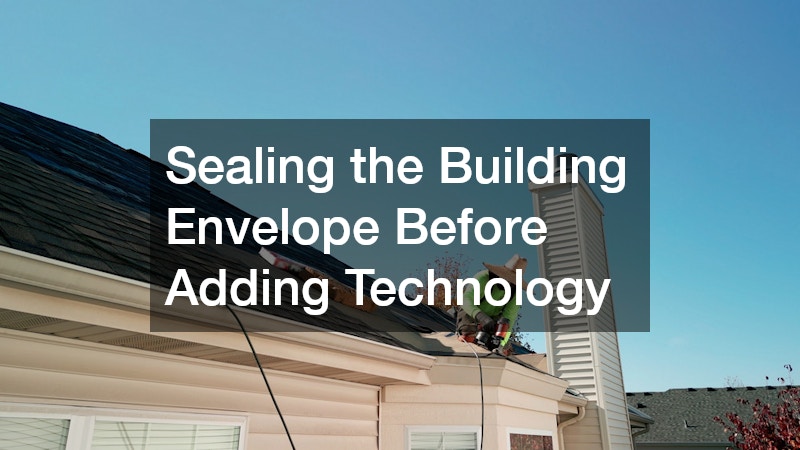
Exterior renovation is a sequencing problem as much as a construction one. Work out of order and you create rework — a freshly painted surface marred by roofing nails, new windows installed before waterproofing membrane is in place, or landscaping graded before downspout extensions are positioned.
The correct sequence for most full exterior projects follows this logic: structural repairs first, then roofing, then windows and doors, then siding, then trim and paint, and finally drainage and landscaping. Each layer protects the one that follows it.
When hiring separate subcontractors rather than a general contractor, you become the coordinator by default. That’s manageable, but it requires firm scheduling and written communication. Confirm start dates in contracts, not just verbally — trades working in parallel on a tight site create liability exposure if one damages another’s work.
Many homeowners ask whether to hire a general contractor or self-manage the trades. Self-managing saves the GC markup, typically 10% to 20% of total project cost. On a $70,000 project, that’s $7,000 to $14,000. However, self-management requires significant time, scheduling ability, and confidence handling disputes. If this is your first large exterior project, the GC markup often pays for itself in avoided mistakes and timeline control.
On the roofing phase specifically, experienced roofing companies will often identify flashing issues, fascia rot, and ventilation gaps that would go undetected on a standard visual inspection — information that directly affects how the siding phase should proceed.
Material Selection and Long-Term Performance
Material decisions made during planning determine maintenance demands for the next 20 to 40 years. A choice that saves $5,000 upfront but requires repainting every five years instead of every 15 may cost more over the ownership period. Running a simple lifecycle cost estimate — upfront cost plus projected maintenance over 20 years — changes many material decisions.
Windows are a useful example of where upfront vs. long-term thinking diverges sharply. Double-pane vinyl windows run $300 to $700 per window installed. Triple-pane fiberglass units cost $600 to $1,200 or more, but offer meaningfully better energy performance in climates with significant heating and cooling demands. In a home with 20 windows, the cost gap is real, but so is the annual energy savings — often enough to close that gap within 10 to 15 years.
For siding, consider the local climate first:
- In high-humidity regions, fiber cement or PVC trim outperforms wood products because they resist swelling, cracking, and fungal growth without annual sealing.
- In high-UV or desert climates, factory-primed and painted materials hold color better than field-painted options.
- In freeze-thaw climates, avoid materials with high moisture absorption — masonry and certain composite products can crack when absorbed water expands.
Color and finish decisions should account for HOA restrictions and local building codes before any deposit is made on materials. Many exterior color disputes surface only after materials are ordered, creating costly delays.
Making the Call on Where to Start
Once assessment, budget, and material decisions are in hand, the real question is whether to proceed all at once or in a structured sequence. For homeowners planning to sell within three years, prioritizing roofing, siding, and windows typically delivers the strongest return — real estate data consistently shows these as the top exterior improvements for resale value. For long-term owners, energy performance improvements may matter more than appearance. Know which outcome you’re optimizing for before the first contractor walks the property, and your renovation plan will hold together from start to finish.