
Your home’s exterior takes a beating every single day while the inside stays cushioned from the elements. That’s why a wall inside your living room can look brand new after fifteen years, while the same wall’s exterior siding shows cracks, fading, and wear after only five. Understanding why this happens helps you budget smarter, catch problems early, and choose materials and contractors who can actually extend the life of your home’s outer shell. This article breaks down the real reasons exterior surfaces age faster and what you can do about it.
Constant Exposure to Sun and Temperature Swings
Ultraviolet rays break down chemical bonds in paint, sealants, and even concrete over time, causing fading, chalking, and brittleness. Unlike interior walls that stay at a stable room temperature, exterior surfaces expand and contract daily as temperatures shift between morning and afternoon. This constant movement stresses materials at a microscopic level, eventually creating cracks that let moisture in. Over years, this cycle accelerates wear far beyond what any interior surface ever experiences.
The intensity of this exposure varies by climate, but no region is exempt. Desert homes face extreme heat swings, while northern homes deal with freeze-thaw cycles that are equally damaging. Either way, the sun and temperature are working against your exterior every single day, whether you notice it or not.
Moisture Infiltration and Drainage Problems
Water is one of the most destructive forces acting on exterior surfaces, and it finds its way in through even the smallest cracks or gaps—hairline fractures in stucco, unsealed joints around window trim, or tiny voids in concrete no wider than a credit card. Once moisture penetrates a wall, foundation, or driveway, it can freeze and expand during winter’s freeze-thaw cycles, a process that can widen a small crack into a structural crack within just a few seasons. That same moisture also erodes materials from within, leaching binders out of mortar and concrete, or promotes mold and rot that spreads beyond what’s visible on the surface. Drainage issues compound the problem considerably. Clogged gutters, poor grading around a foundation, or downspouts that dump water right next to a wall all funnel moisture exactly where it does the most damage instead of carrying it away. Even a well-built surface can fail prematurely if the water management system around it isn’t doing its job. Interior spaces rarely deal with this kind of sustained water exposure unless there’s a leak, and when leaks do occur, they’re usually noticed and fixed quickly because indoor moisture is obvious and disruptive. Exterior surfaces don’t get that same urgency. They face constant exposure through rain, snow, and humidity, often for years, with damage building quietly beneath paint, siding, or pavement long before any problem becomes visible from the outside.
Proper grading and drainage around a property make a significant difference in how much water actually reaches vulnerable surfaces. Most experts recommend the ground slope away from the house at a rate of at least 6 inches over the first 10 feet, but many older homes were never graded correctly to begin with, or years of settling have flattened out that slope entirely. When that happens, every rainstorm sends water straight toward the foundation instead of away from it. This is often where excavating work becomes necessary, especially when a yard’s slope is directing water toward the house instead of away from it. Regrading a property may involve bringing in additional soil, installing French drains, or repositioning downspout extensions so runoff discharges several feet from the foundation rather than dumping it right at the base of the wall. In more severe cases, excavating around the foundation itself may be required to install proper waterproofing membranes or exterior drainage systems before the surrounding soil is put back in place. Gutters and downspouts play a supporting role here too. A clogged or undersized gutter system can overflow directly onto siding and trim, saturating materials that were never designed to handle that volume of water. Correcting drainage issues early can prevent thousands of dollars in future exterior repairs, since standing water near foundations and walls is one of the fastest ways to accelerate deterioration. Left unaddressed, that moisture works its way into siding, masonry, and framing, setting the stage for rot, mold, and cracked foundations that cost far more to fix than the drainage correction would have.
Stucco and Siding Wear from Weather Cycles
Stucco is popular for its durability, but it’s not immune to the same forces that wear down other exterior materials. Hairline cracks can form as a house settles or as temperatures fluctuate, and if left unaddressed, these cracks widen and allow water behind the surface. Once moisture gets trapped, it can cause the stucco to bubble, crumble, or separate from the underlying structure entirely.
Because stucco repair requires matching texture, color, and application technique, this is a job best left to professionals rather than a quick DIY patch. Experienced stucco contractors know how to identify whether cracking is cosmetic or a sign of deeper structural movement. Catching these issues within the first year or two of appearing can prevent a small crack from turning into a costly full-wall replacement.
Driveway and Walkway Deterioration Under Traffic and Weather
Concrete and asphalt driveways face a unique combination of stresses that interior floors never experience: vehicle weight, de-icing chemicals, oil stains, and constant freeze-thaw cycling. A parked car alone can exert several thousand pounds of localized pressure on a surface, and that load repeats daily, unlike anything an interior floor endures. Even a well-installed driveway can develop cracks within a decade if water gets underneath the slab and heaves it during winter. When temperatures swing below freezing, water trapped beneath the surface expands by roughly 9%, pushing upward and creating stress fractures that widen with every subsequent cycle. Rock salt and calcium chloride, while effective at melting ice, also accelerate the breakdown of concrete’s surface paste, leaving it pitted and more porous over time. This is why proper base preparation matters so much before any new surface goes down. A compacted gravel base of at least 4 to 6 inches, along with correct slope for drainage—typically a 1% to 2% grade away from structures—prevents water from pooling and seeping into the material in the first place. Skipping this step to save on upfront cost is one of the most common reasons driveways fail years ahead of schedule.
Driveways and walkways take a daily beating that most other exterior surfaces never see, from the constant weight of vehicle traffic to freeze-thaw cycles that push and pull at the material underneath. Water that seeps into small cracks expands when it freezes, widening those cracks with each passing winter until the surface starts to crumble. Add in de-icing salts, UV exposure, and the sheer repetition of tires rolling over the same path, and it’s easy to see why these surfaces often show wear years before siding or interior flooring ever would. When homeowners are ready to replace an aging or cracked driveway, working with a company that understands local soil and climate conditions makes a real difference in longevity. Clay-heavy soils, for example, shift more with moisture changes than sandy or gravel-based soils, which means the paving approach needs to account for that movement rather than fight against it. Quality driveway paving depends on more than just the top layer, it starts with the compaction and grading underneath, ensuring water drains away from the surface instead of pooling and seeping into the base. Skipping these preparatory steps to save money upfront almost always leads to premature failure and more expensive repairs later. A driveway with only two inches of base material instead of the recommended four to six inches may look fine for the first year or two, but it will likely develop cracks, sinking spots, or crumbling edges well ahead of schedule. Investing in proper grading, drainage, and compaction from the start typically adds years, sometimes a decade or more, to the life of the surface.
Choosing the Right Team for Driveway and Patio Projects
Not all paving companies approach a project the same way, and the difference shows up years down the road in how well the surface holds up. Some crews rush the base layer or use inconsistent material mixes, while others follow strict specifications for thickness, slope, and curing time. Homeowners researching options should ask potential contractors about their process, not just their price.
- Ask how many inches of gravel base they install before paving
- Confirm whether they test soil compaction before pouring
- Request references from projects at least five years old
- Ask about warranty coverage for cracking or settling
- Verify they pull required permits for larger paving jobs
Concrete Slabs, Patios, and Structural Considerations
Concrete is durable, but it’s not indestructible, especially when exposed to the elements year-round. A concrete contractor who understands proper curing techniques and reinforcement placement can significantly extend the lifespan of a slab, patio, or foundation footing. Rushed curing, inadequate rebar, or pouring in poor weather conditions are common reasons concrete fails well before its expected 25 to 30 year lifespan.
Cracking isn’t always a sign of poor workmanship, since concrete naturally develops small cracks as it cures and settles. The bigger concern is when cracks widen over time or when sections of a slab begin to shift unevenly, which usually points to soil movement or drainage problems underneath. Addressing these root causes matters more than simply patching the visible crack.
Repairing and Modifying Existing Concrete Surfaces
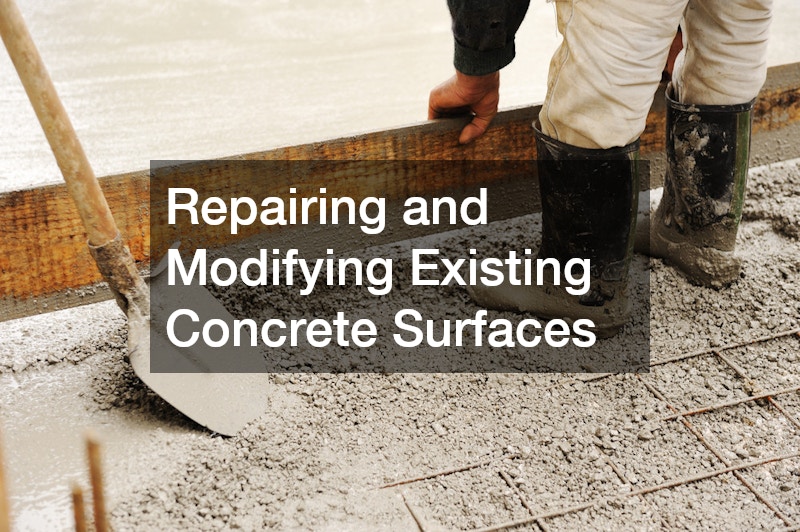
Sometimes an exterior surface doesn’t need full replacement, just a targeted repair or modification to solve a specific problem. Precision concrete cutting allows crews to remove damaged sections without disturbing the surrounding slab, which is far more cost effective than tearing out an entire driveway or patio. A localized repair might cost a few hundred dollars, while full replacement of the same area can run into the thousands once demolition, hauling, and new material are factored in. Concrete cutting is also commonly used when installing new utility lines, drainage channels, or expansion joints that weren’t part of the original pour. Homeowners adding a French drain, rerouting a sewer line, or correcting poor water runoff often find that cutting a clean channel through existing concrete is faster and less disruptive than breaking it out by hand. The technique matters because exterior slabs are exposed to constant freeze-thaw cycles and ground movement, which makes precise cuts more important than they’d be indoors. A saw cut that’s too shallow won’t relieve stress properly, while one that’s too deep can weaken the slab further. Professionals typically cut to about a quarter of the slab’s thickness when creating control joints, ensuring the concrete cracks predictably along the joint rather than randomly across the surface. This kind of targeted work also extends the usable life of a surface that’s otherwise structurally sound, which matters more outdoors than in. Interior floors rarely face the same combination of moisture infiltration, temperature swings, and soil shifting that erodes exterior slabs over time, so repair strategies developed for outdoor concrete have to account for stresses indoor flooring never experiences.
This kind of targeted work requires specialized equipment and experience to avoid cracking the surrounding concrete or hitting embedded rebar and utility lines. A skilled crew will typically scan the area with a rebar locator or ground-penetrating radar before making any cuts, especially on slabs poured before the 1970s when reinforcement placement wasn’t always documented. Wet-cutting with diamond blades is standard for straight lines, while curved or irregular removals often call for slower, hand-guided saws to prevent chipping the edges that will remain in place. Homeowners considering this route should ask whether the crew has experience with the specific type of cut needed, whether it’s a straight expansion joint or a more complex curved removal around a drain, pillar, or utility box. It’s also worth asking how they plan to match the new pour’s texture and color to the existing slab, since mismatched patches are one of the most common complaints after partial repairs. A reputable contractor should be able to point to similar past jobs, ideally ones that have weathered at least one full freeze-thaw cycle without new cracking at the seam. Done correctly, it extends the useful life of a surface that would otherwise need full demolition, often adding 10 to 15 years before further work is needed. This approach also tends to cost 40-60% less than a full tear-out and repour, making it an appealing middle option for surfaces that are structurally sound but cosmetically or functionally damaged in isolated spots.
Comparing Installation Options for New Concrete Surfaces
When it’s time to replace a driveway, sidewalk, or patio, homeowners have more choices than they might realize, and not every provider offers the same level of service. Some concrete driveway companies specialize strictly in flatwork, while others handle a broader range of exterior projects including foundations and retaining walls. Knowing the difference helps homeowners match the right company to their specific project scope.
Cost estimates can vary significantly between providers, so it’s worth requesting at least three quotes before committing. A lower bid isn’t always a bargain if it means thinner concrete, fewer control joints, or a rushed timeline that skips proper curing. Reading reviews and asking detailed questions about material specifications helps homeowners avoid surprises after the work is finished.
Brick, Stone, and Masonry Longevity Outdoors
Brick and stone are among the most durable exterior materials available, but they still face challenges from moisture, freeze-thaw cycles, and settling foundations. Mortar joints are typically the first thing to fail, since mortar is softer than the brick or stone it holds together and wears down faster under weather exposure. Once joints start crumbling, water can penetrate deeper into the wall structure and cause damage that’s much harder to see from the outside.
Skilled masonry contractors can repoint aging mortar joints before they become a bigger structural issue, restoring both the appearance and the water resistance of a brick or stone wall. This kind of maintenance is far less expensive than waiting until entire sections need to be rebuilt. Regular inspection every few years, especially after harsh winters, helps catch mortar problems while they’re still a manageable repair.
Finding Reliable Help for Ongoing Exterior Maintenance
Because exterior surfaces age faster than interior ones, they need a different maintenance mindset, one built around regular inspection rather than waiting for visible damage. A twice-yearly check, once in spring and once in fall, is usually enough to catch problems like hairline cracks, drainage issues, or early sealant failure before they turn into costly repairs. Homeowners benefit from having a trusted paving contractor or general exterior specialist they can call for periodic assessments rather than scrambling to find help after a problem becomes urgent. When vetting a contractor, it helps to ask how they handle seasonal issues specific to your region, whether they offer maintenance plans versus one-off repairs, and if they can provide references from clients who’ve used them for several years rather than a single job. Building this kind of relationship also tends to result in faster response times and better pricing over the long run. Contractors are often more willing to prioritize repeat clients during peak seasons, and some offer discounted rates for homeowners who sign up for annual inspection packages. It’s also worth keeping a simple maintenance log noting when sealcoating, crack repairs, or drainage adjustments were last performed. This record not only helps your contractor track wear patterns over time but also becomes valuable documentation if you sell the property later.
A reliable paving service will typically offer sealcoating, crack filling, and minor patch work as part of routine maintenance, which costs far less than full replacement. Sealcoating alone typically runs a few hundred dollars for an average residential driveway, compared to several thousand for a full repave, making the math an easy sell once homeowners see it laid out. Scheduling this kind of upkeep every two to three years can double the usable life of a driveway or parking area. When vetting a paving service, ask about their process for assessing existing damage before quoting a price, since a contractor who skips this step may miss underlying drainage issues that will undo the work within a season. It’s also worth asking for references from jobs completed at least two years prior, not just recent ones, since that’s when shortcuts in materials or application tend to show up as premature cracking or peeling. A trustworthy provider will be upfront about which repairs are cosmetic versus structural, and won’t push a full resurfacing job when a simple patch would do. Treating exterior maintenance as a recurring line item in a home budget, rather than a surprise expense, ultimately saves money. Setting a reminder tied to the season, such as scheduling an inspection each spring before temperatures climb, helps keep this maintenance from slipping through the cracks entirely.
Exterior surfaces will always face more wear than anything inside your home, but understanding why helps you catch small problems before they become expensive ones. Regular inspections, timely repairs, and choosing experienced professionals for paving, concrete, stucco, and masonry work all add years to your home’s exterior lifespan. Start by walking around your property this weekend and noting any cracks, drainage issues, or worn spots you’ve been putting off addressing. The sooner you act, the more you’ll save in the long run.